Spreads with a limited number of cards (3 to 9 cards) are an excellent introduction to the world of the Petit Lenormand for beginners, especially if you already have experience with the Tarot. It’s important to note that the iconic spread of the Petit Lenormand is the 'Grand Tableau' (the one you should prioritize daily), but using all 36 cards at once is quite a challenge. So, for beginners, starting with spreads of 3 to 9 cards is a great way to learn.
Spreads of 3 to 6 cards are covered in the article The Petit Lenormand Spreads. Here, we will explore the 7-card and 9-card spreads of the Petit Lenormand. If you are just starting with the Petit Lenormand, revisiting the basics on card combinations and how to use them is recommended before continuing.
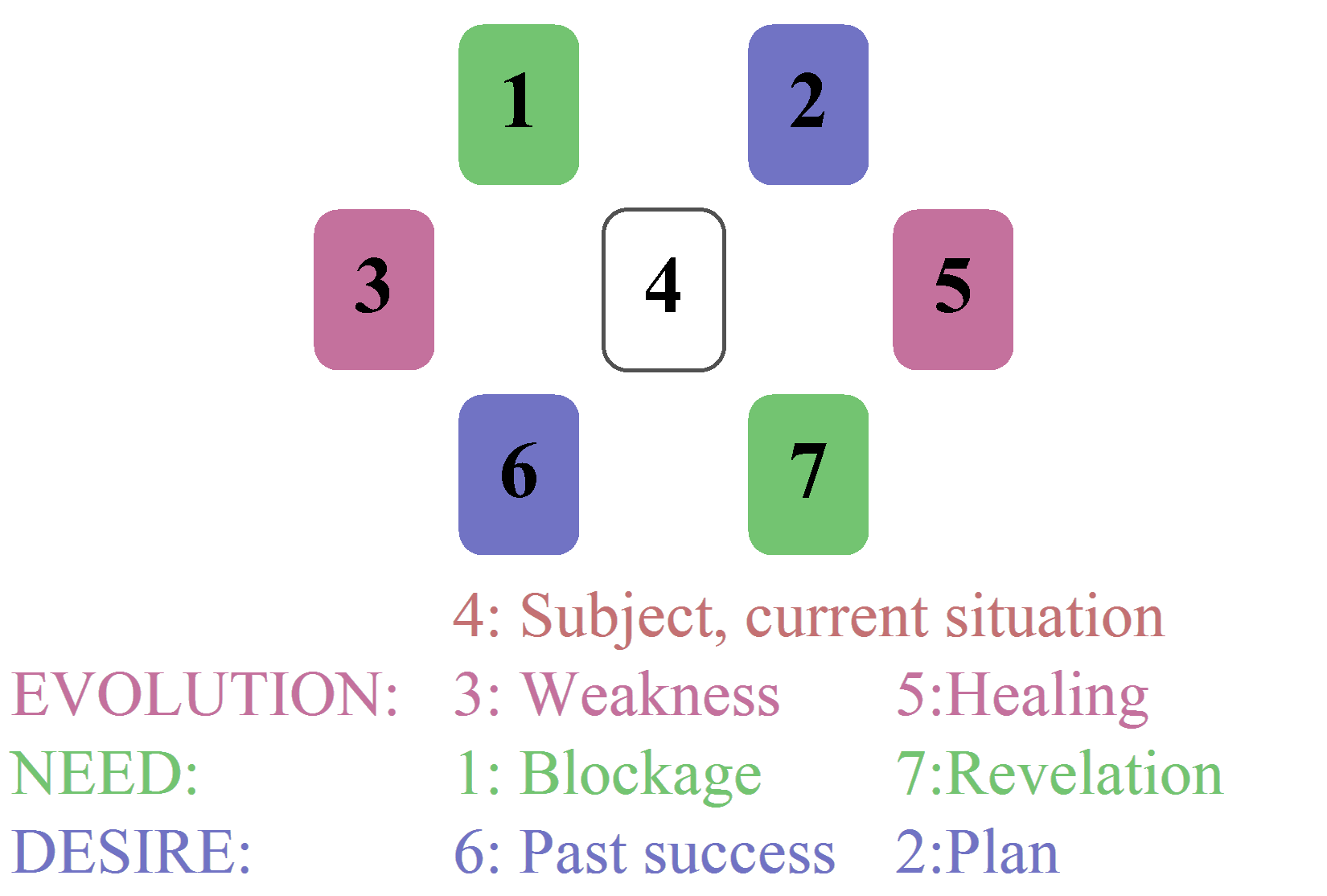
The 7-card spread is ideal for beginners coming from Tarot, accustomed to spreads with fixed positions. Here, we gradually begin to read the Lenormand cards by associating them in rows and columns.
Next, we will discuss the classic method of interpreting the 9-card spread, with a single significator in the center. Then, we will introduce an innovative approach involving two significators. This variation deepens relational and professional questions by offering a cross-reading of two aspects or individuals. I even propose an IKIGAI version below!
Why choose the 9-card spread? This spread offers an excellent transition to the Grand Tableau, the 36-card spread, by introducing more complex reading techniques while remaining accessible. You will learn to interpret the cards according to their relationships in rows, columns, and diagonals, to gain a nuanced view of the situation.

This method relies on fixed positions that are easy to interpret while introducing associative reading, a characteristic of the Petit Lenormand. This spread is ideal for exploring a personal development question or general concerns.
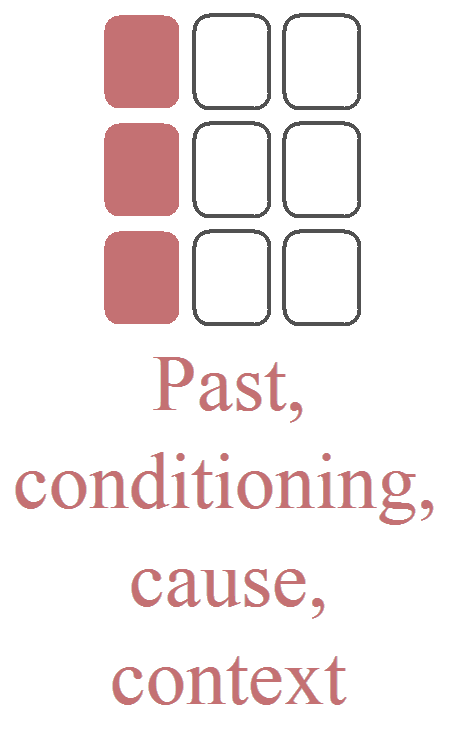
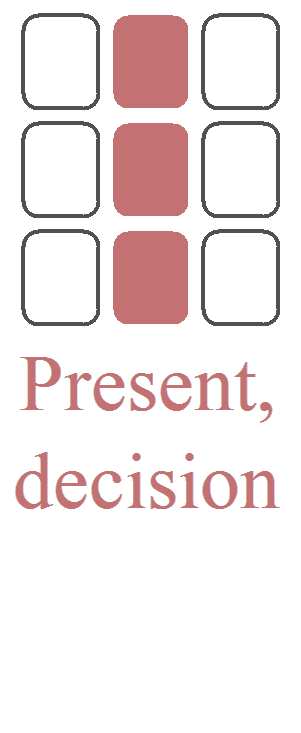
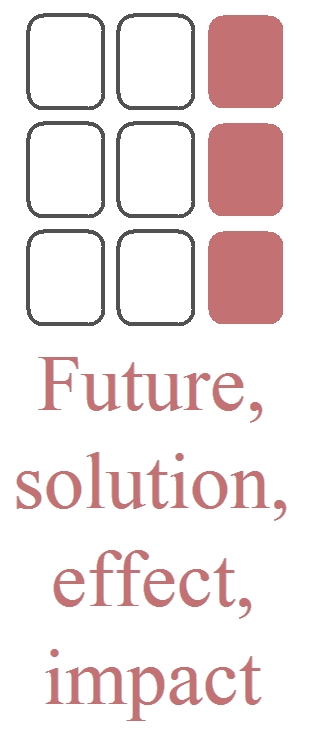
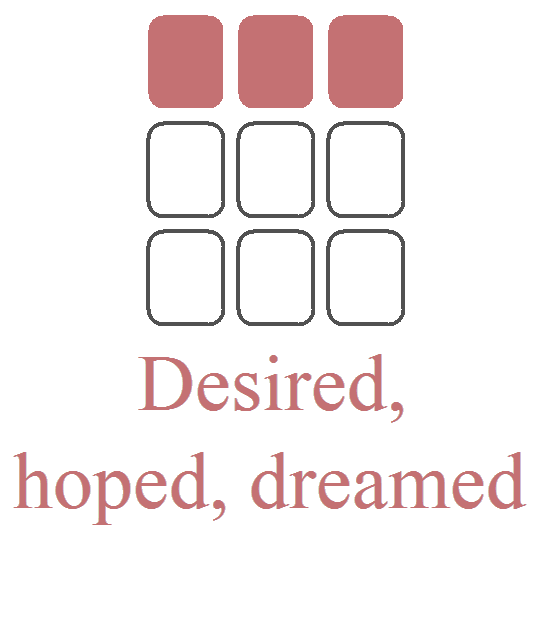
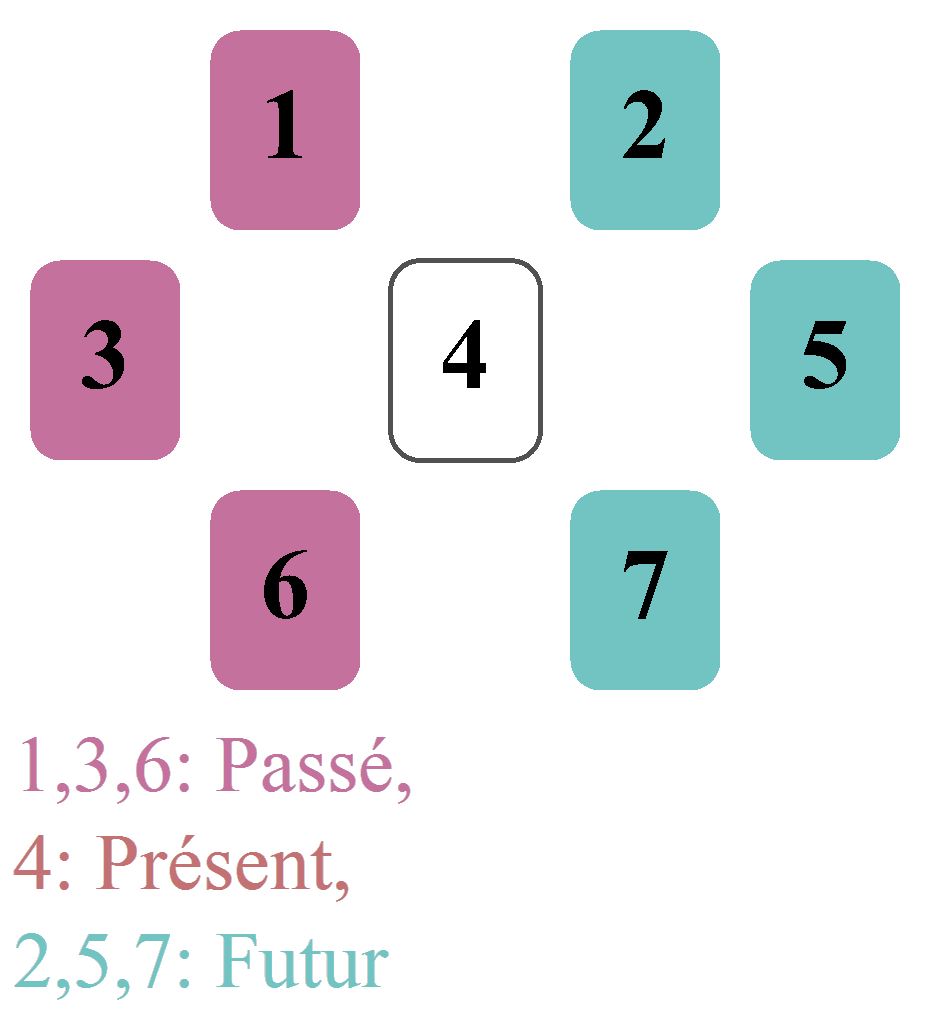
The spread is structured in three rows (past, present, future) and focuses on three main aspects: events, personal growth, and the querent's needs and desires.
This spread highlights past actions, the present moment, and future perspectives.
These positions reveal past influences. They help to understand what led to the current situation. These cards may represent actions taken, significant decisions, or obstacles encountered. This row provides a clear context for placing the querent in their journey.
This card is the heart of the spread. It describes the querent's current state, concerns, or main energies. It helps clarify the here and now, a central element for any personal reflection.
These positions explore the next steps, possible actions, or expected outcomes. They allow you to glimpse the evolution of the situation, whether short- or long-term. The future is presented in an accessible way, with multiple options, encouraging reflection on upcoming choices.
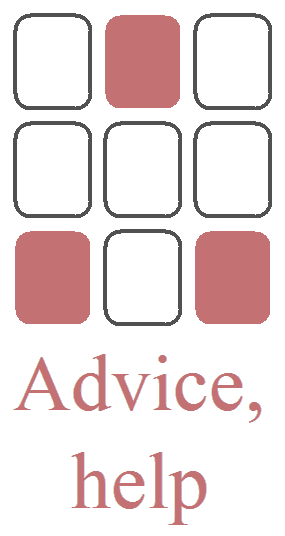
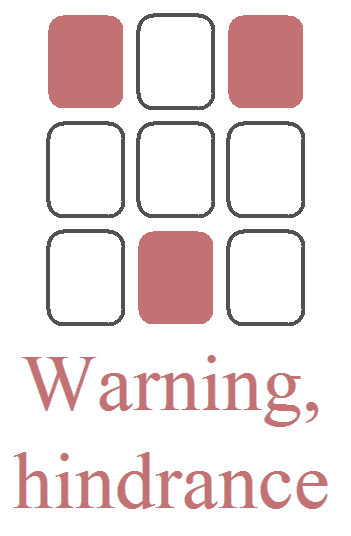
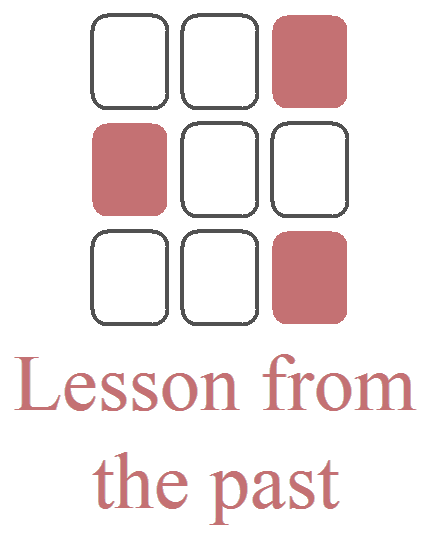
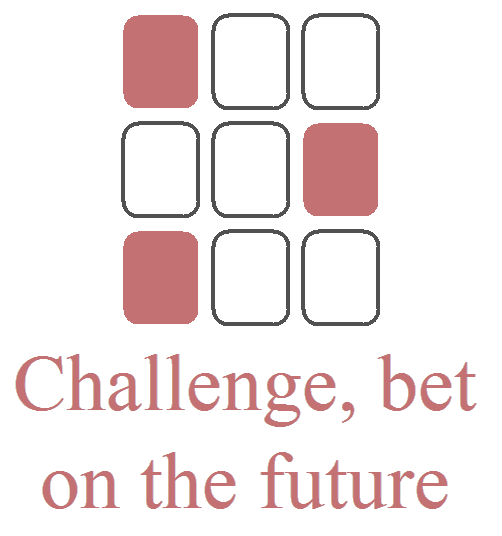
Two key positions focus on the emotional and psychological state of the querent, offering paths for their development. These two cards work together, providing a clear vision of challenges and solutions.
This card reveals inner blocks or recurring patterns that limit the querent. It invites reflection on fears or unconscious blockages.
In contrast, this position highlights the potential for change. It shows how the querent can overcome their weaknesses and begin a positive transformation.
These positions reflect what the querent feels deeply, their immediate needs. These two positions encourage awareness about the reasons for past failures, helping the querent see what holds them back, and how to bounce back.
It shows external or internal obstacles that prevent the querent from moving forward. This can include limiting beliefs or external circumstances.
This position shows what can trigger awareness or significant progress. It represents a key step to overcome blocks.
These positions evoke long-term aspirations. These two positions connect past and future resources, encouraging reflection on available assets. This contrast helps the querent see opportunities for progress.
This card evokes achievements or solid foundations that the querent can rely on.
It highlights available help or projects that the querent wishes to make real.

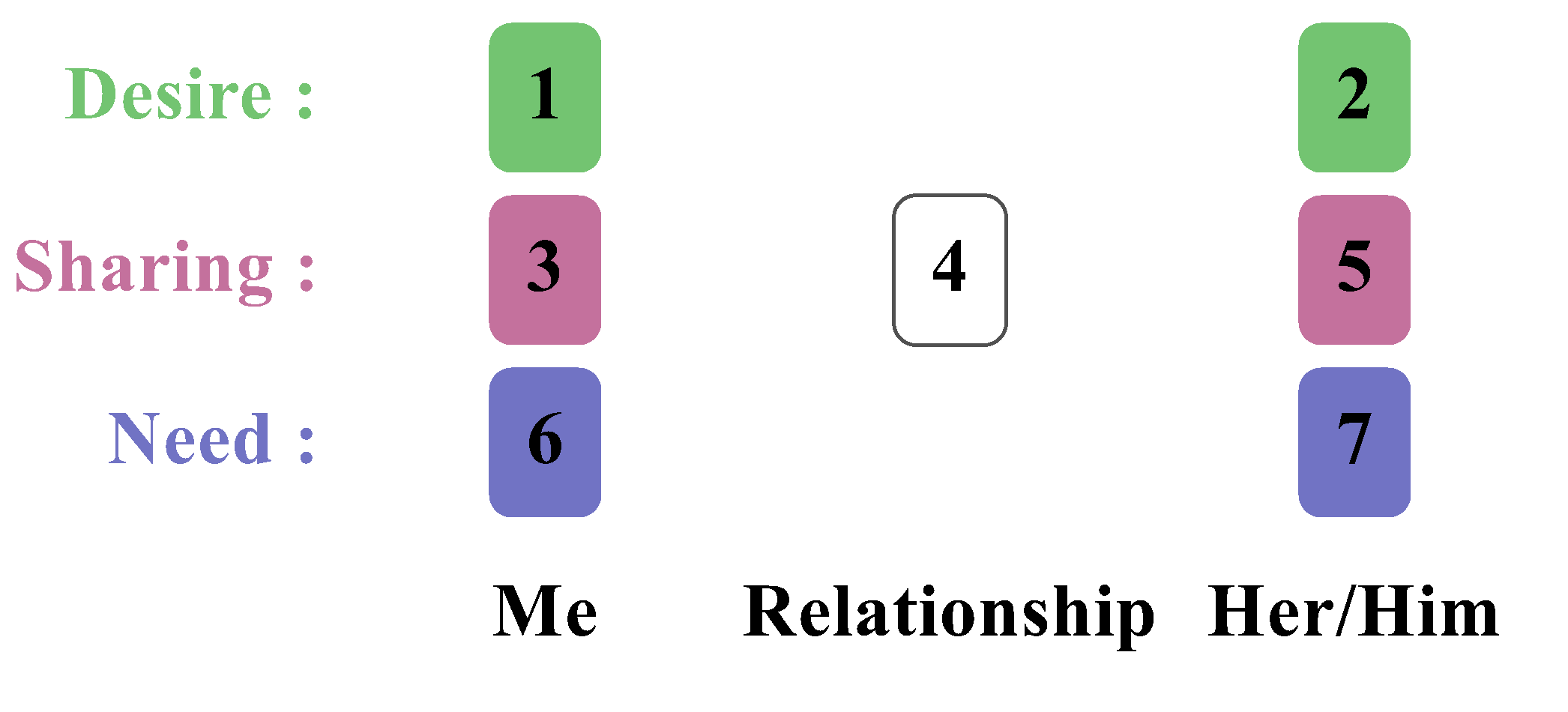
This 7-card spread is a simple and effective method to explore a romantic relationship in depth. It helps better understand the desires, sharing, and needs that define a relationship. This spread is structured around three main axes: you, your partner, and the relationship. It provides a clear vision of the dynamics at play while remaining easy to interpret, even for beginners.
Positions 1 and 2 reveal the desires motivating each individual in the relationship. This row helps understand what you and your partner seek or expect from each other, whether it’s romance, stability, or passion. Identifying conscious or unconscious expectations helps avoid misunderstandings.
Positions 3 and 5 show what each person brings to the relationship. The central card (4) reflects the current state of the relationship: its balance, strengths, or tensions. Determine whether the relationship is harmonious or if adjustments are needed in sharing responsibilities or emotions.
Positions 6 and 7 highlight the fundamental needs of each individual to feel fulfilled. These cards help see whether one person's needs are being neglected. Understanding deep expectations better builds a lasting relationship.
This spread is particularly beneficial for several reasons:

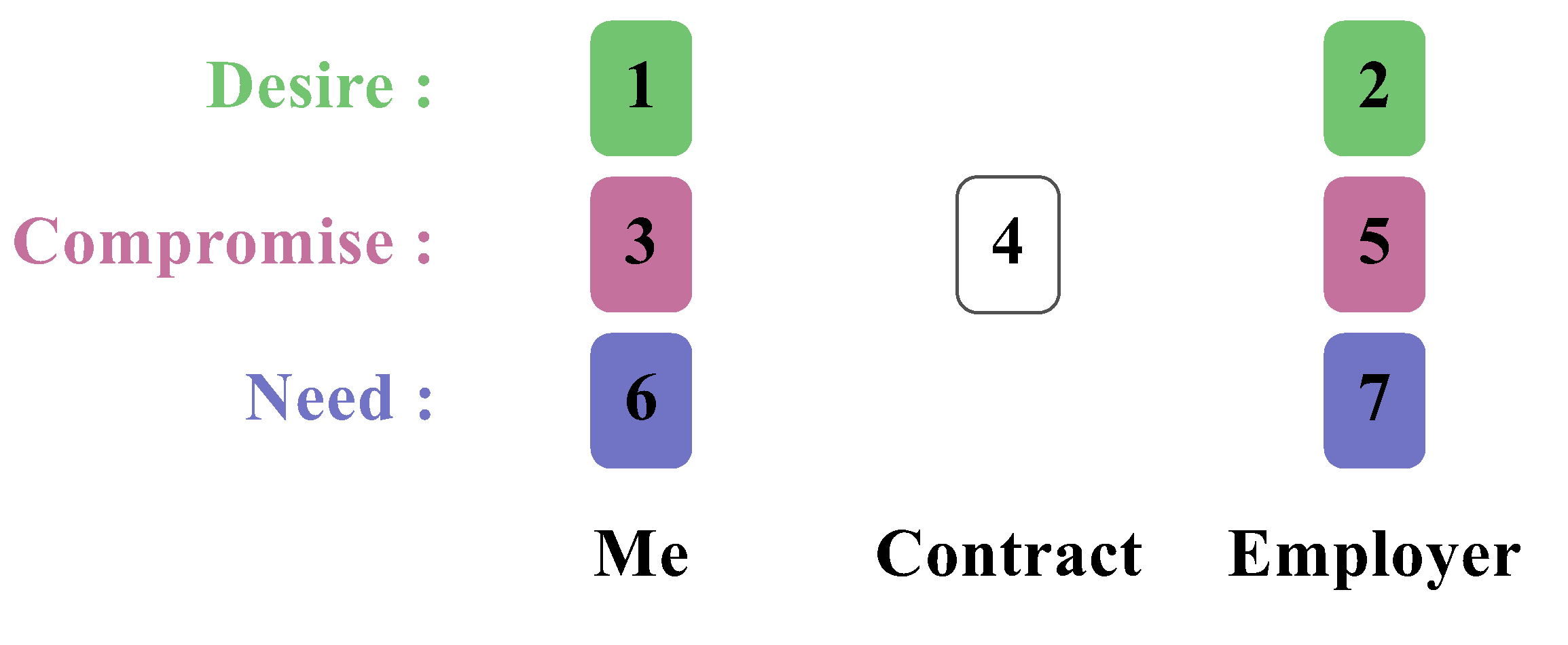
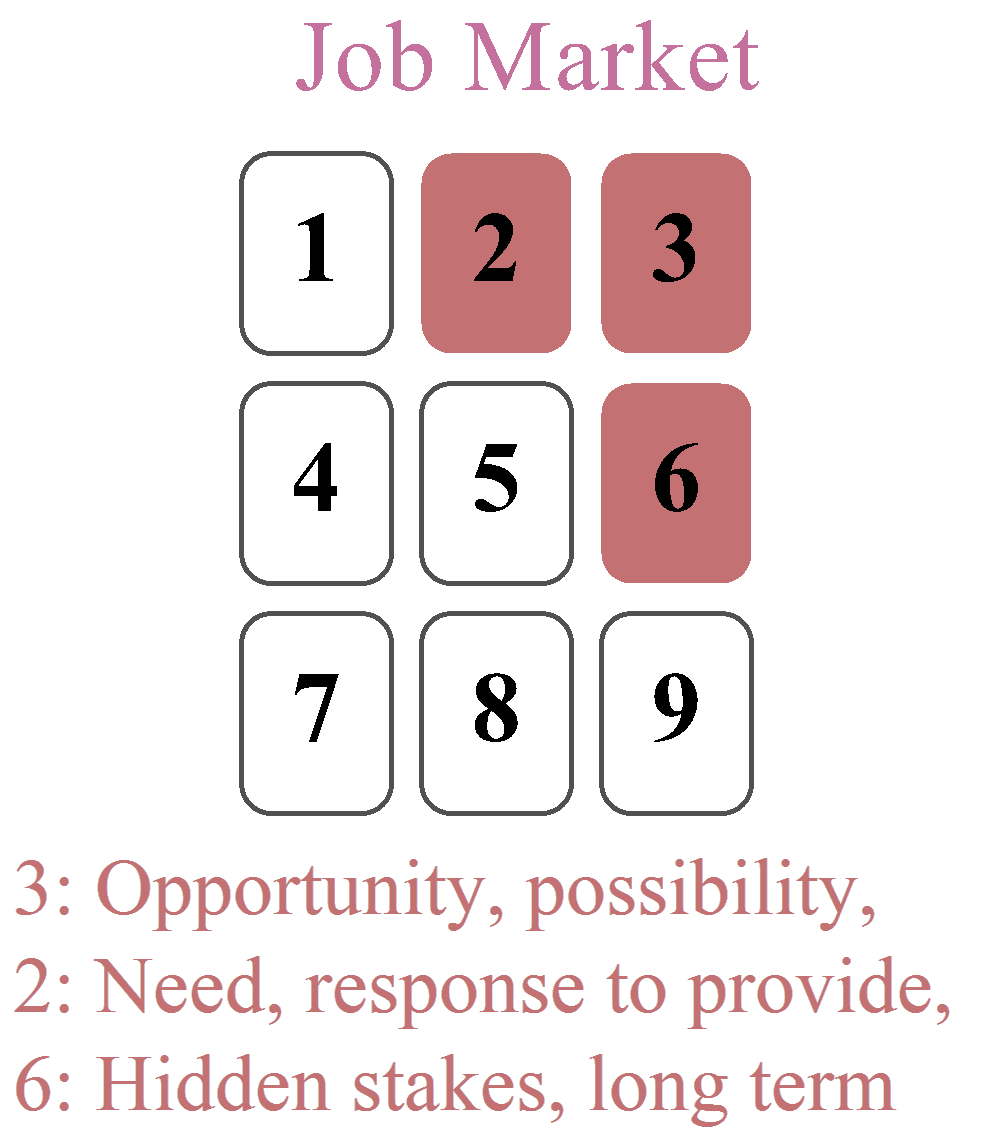
This 7-card spread dedicated to professional situations is a concise and practical method to explore your aspirations, your relationships with your employer or the job market, and your deep needs. This spread is ideal for answering questions like: "Am I aligned with my current job?" or "How can I progress in my career?"
Cards 1 and 2 explore what you expect from your career and what the employer or market expects in return. This row highlights the aspirations motivating each side. This comparison shows whether your expectations are realistic and aligned with current opportunities.
Positions 3, 4, and 5 describe how your talents and actions align with the needs of your job or professional market. The central card (4) symbolizes the role you occupy: it may represent a contract, a position, or a current assignment. Evaluate whether your efforts are fairly rewarded and whether the professional relationship is balanced.
Positions 6 and 7 explore fundamental needs for a fulfilling career. This includes your personal expectations and the requirements of the market or employer. Identify necessary adjustments to better meet your needs while staying relevant in the market.

The central card (position 5) is the true heart of the spread. It is the pivot around which everything is organized. It can be seen as an "atmosphere" card that gives a direction to the reading. It can be used in two ways:
In this case, it represents the main theme of the question, provides a first answer, and gives the guideline for the interpretation.
Here, you choose a card in advance that represents the theme of the question, placed in the center at position 5. You do not interpret this card directly, but it serves as a reminder and a focus to put the others into context.
Personally, for a real reading, I let chance decide. For learning, I advise choosing the central card. In this case, refer to the article on Choosing the Significator.
If the question is about love but the Ship appears in the center, it does not mean the spread is "off-topic". The deck draws attention to a particular dimension: distance, slowness, adventure, or a need for change.
In love, the Ship can indicate:
The surrounding cards will refine this message:
The central card highlights the essential tone that the deck prioritizes, even if it is not what the querent had imagined.
To read the square correctly, we use different lines that break down the situation:

The 9-card square, structured in a grid of 3 rows and 3 columns, is centered around a Significator placed in the central position (position 5). This spread offers a clear and balanced perspective on the past, present, and future, as well as on conscious and unconscious dynamics. The Significator in the center acts as an "anchor point" that focuses the interpretation and connects the different influences present.

The three vertical columns show the progression of the experience and how energies evolve over time. The interpretation is done from left to right:

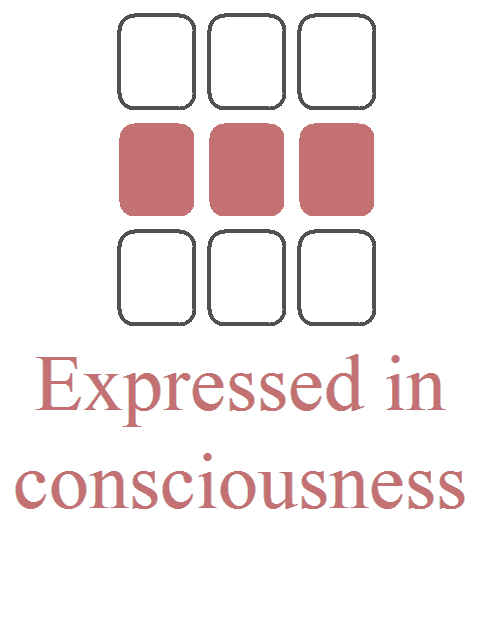
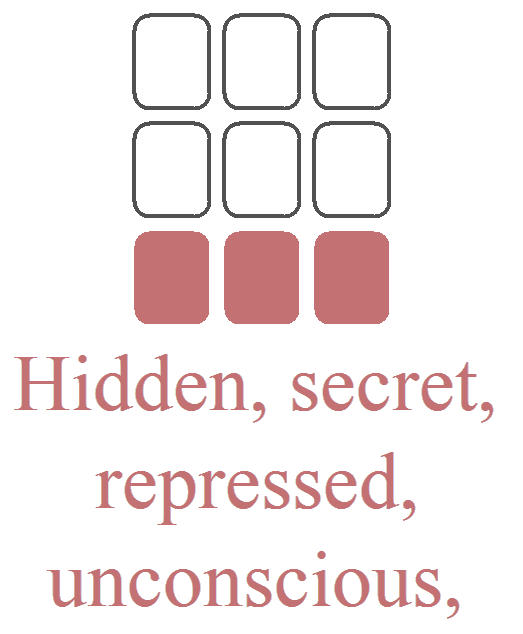
Each row expresses a level of perception of the situation, from the surface (what is wanted) to the depths (what is felt):

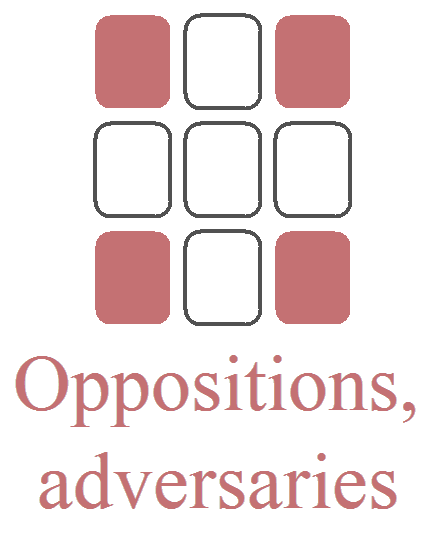
The square formed by the four corners (1, 3, 7, 9) represents the forces that support or block the development of the situation:
These cards set the scene and the boundaries of the spread (context, flaws, or stability of the framework). These cards allow you to see the direct interactions influencing the entire reading and to target the positive and negative energies to consider.

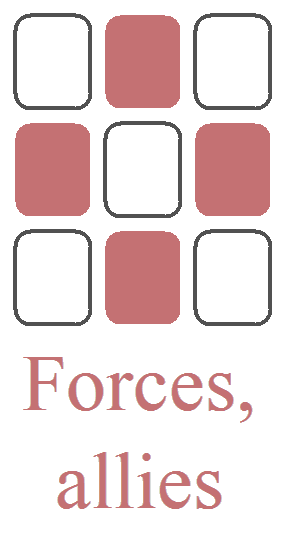
The cards located at the center of each side (2, 4, 6, 8) act as support pillars:

The triangles form connected groups revealing active energies:

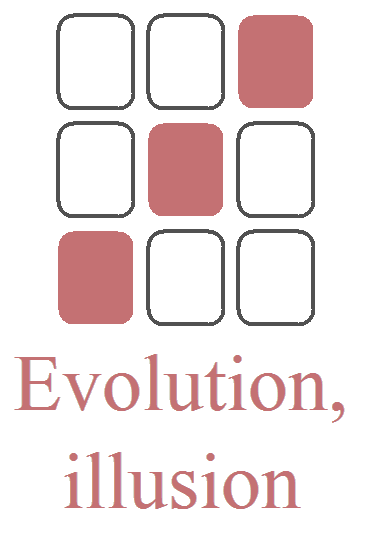
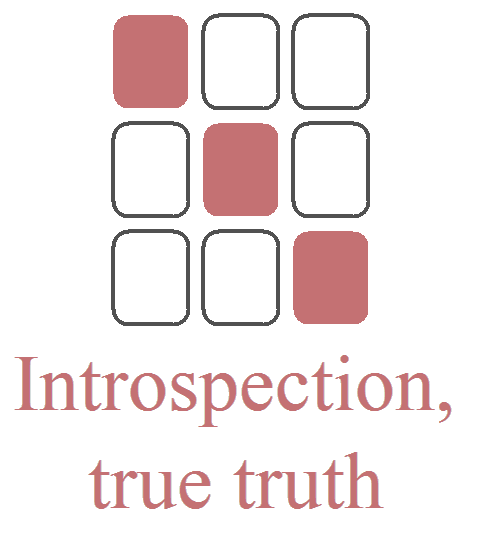
The diagonals show the paths of change and the general direction of the situation:

Another way is to work with the mirror effect. We read the cards facing each other as if they are talking to one another to see contrasts or opposing energies. Compare these pairs:

The square of 9 can be done at any time, but it is perfect for check-ins and looking at the short or medium term. It is not a spread you do every day for the same question, but rather when you want a clear reading on a situation that is changing.
The 9-card square is a flexible spread that adapts to how you ask the question:
Note: For very direct yes/no questions, some prefer shorter spreads (3 or 5 cards) so the 9-card square doesn't add too many details and "water down" the answer.
Think of this as a catalog. A 9-card reading doesn't require you to use every method every time. Feel free to use your favorite methods and ignore the others.
The basics to start well:
After that, you can add the mirrors (for a dilemma), the corners (if you feel stuck), the diamond (to know what to do), or the diagonals (for personal growth).
The 9-card square takes a medium amount of time to interpret:
It is much faster than a Grand Tableau because you don't need to look for every significator, but it offers a much deeper analysis than a short spread.
Keywords for the 36 cards of the Petit Lenormand, to slip into your favorite deck. Your leaflet always with you, at hand, to guide you in your readings. Thanks to it, your interpretations gain in richness and subtlety.

For a more nuanced reading of the 9-card square, we will explore the use of two Significators based on the question asked. In this method, the spread is tailored for a specific domain (love or work) by placing the Significators in strategic positions to highlight the interactions between the querent and their goal.
Note that this remains in a “square” format where the elements already mentioned in the classic interpretation above still apply, meaning all the associations from the classic interpretation remain possible with the spreads below.
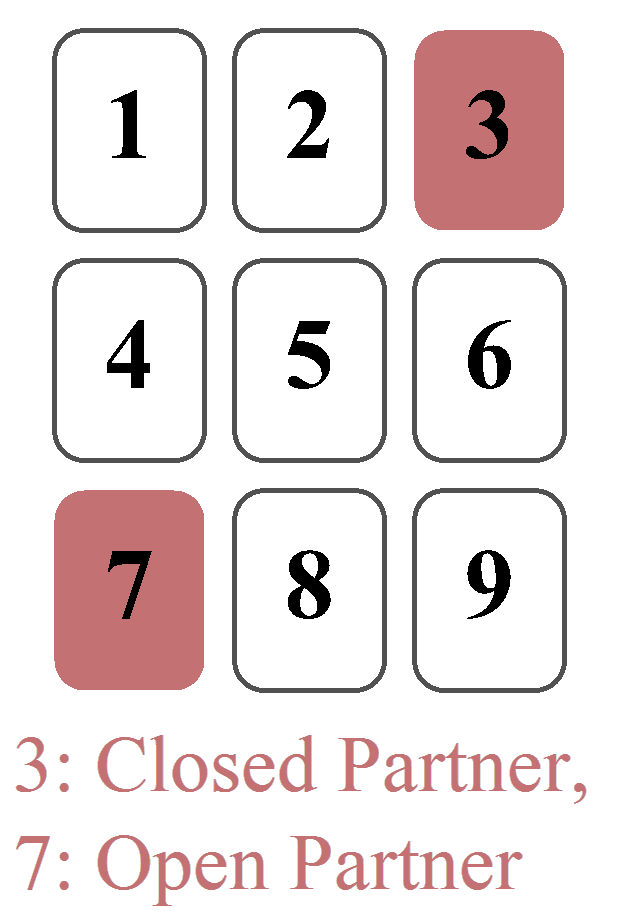
We often request a love reading because the relationship is not smooth. Indeed, one partner tends to want to move forward in the relationship, while the other is more distant or avoiding. Each partner is represented by a specific Significator:
The querent is not automatically in position 7. They may be in position 3 because, for example, they wish to end the relationship but don’t know how to, or they are simply wondering if they should continue the relationship, while their partner isn’t (yet) questioning it.
By positioning the Significators this way, we achieve a more dynamic interpretation, revealing how each partner influences the relationship and what blocks or opportunities surround them. This spread helps you understand intentions, hopes, and obstacles in your relationship while uncovering paths for better balance. The positions and their interactions shed light on both the strengths and challenges of the couple, with an approach that is both analytical and intuitive.
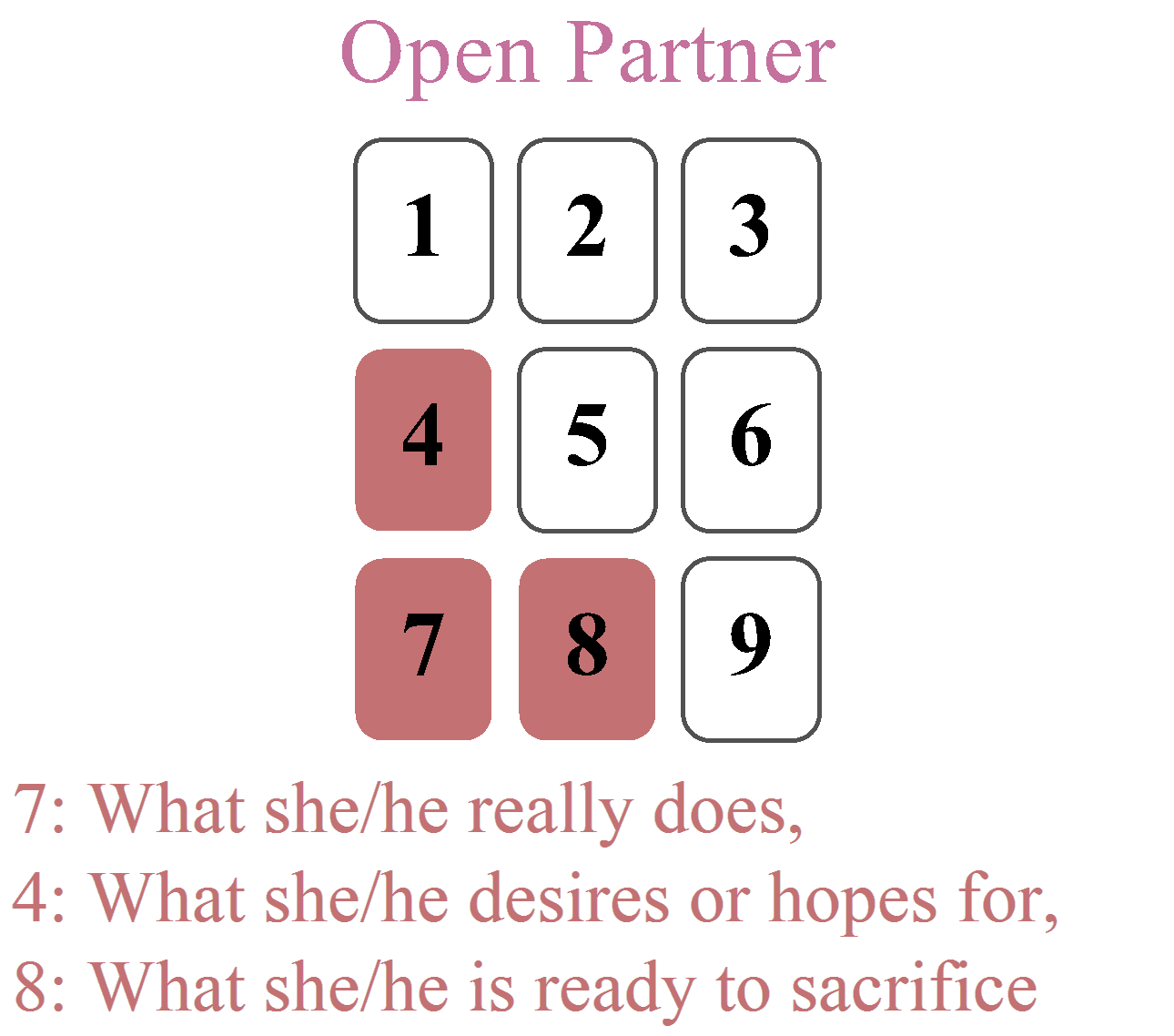
This part of the spread is dedicated to exploring the actions, desires, and sacrifices of the partner who is more open in the relationship. These three positions reveal not only their intentions but also what they are ready to put into the relationship.
This card illustrates the concrete actions and current behaviors of the open partner. It highlights their way of acting in the relationship, beyond promises or verbal intentions. This position helps differentiate actions from words, which is essential to evaluate genuine commitment.
Here, the card reveals the dreams or expectations of the open partner. This may include aspirations shared with you or more personal wishes. This position helps identify if their goals in the relationship align with those of the closed partner.
This position shows what this partner is willing to give up to maintain balance or strengthen the relationship. It may include habits, compromises, or secondary needs. Interpreting this card helps measure how important the relationship is to the partner.
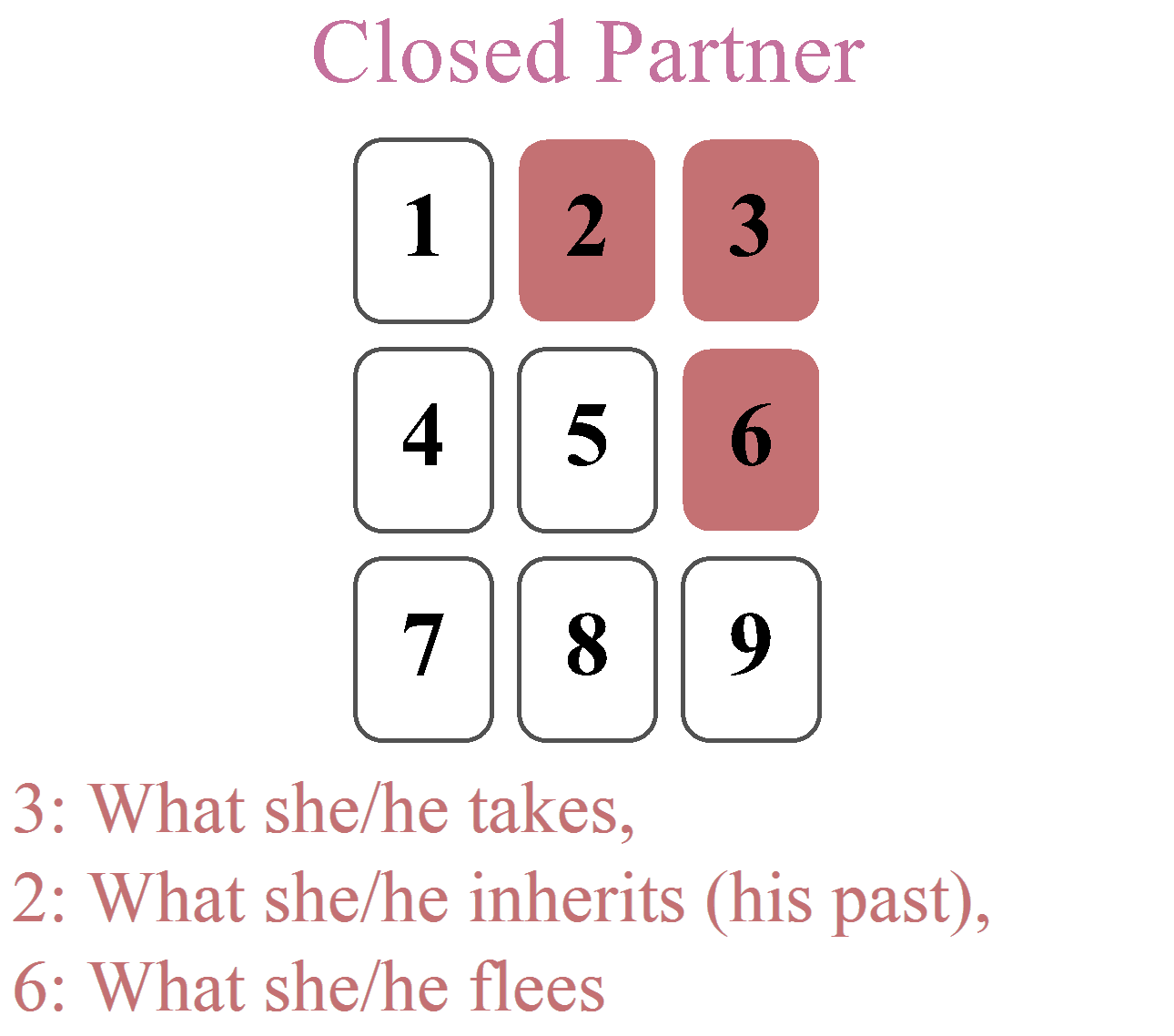
The closed partner is often harder to read, and these cards help better understand their motivations, emotional baggage, and what they avoid.
This card describes what this partner gets or gains from the relationship. This can include emotional or material benefits, or a sense of security. This position highlights what they value, sometimes unconsciously, in the relationship.
This position reflects the past influences on their current behavior, such as old wounds or inherited beliefs. Understanding their emotional baggage helps avoid hasty judgments.
This card reveals fears or aspects of the relationship that this partner prefers to avoid or ignore. Identifying what they avoid helps better understand the obstacles to overcome.
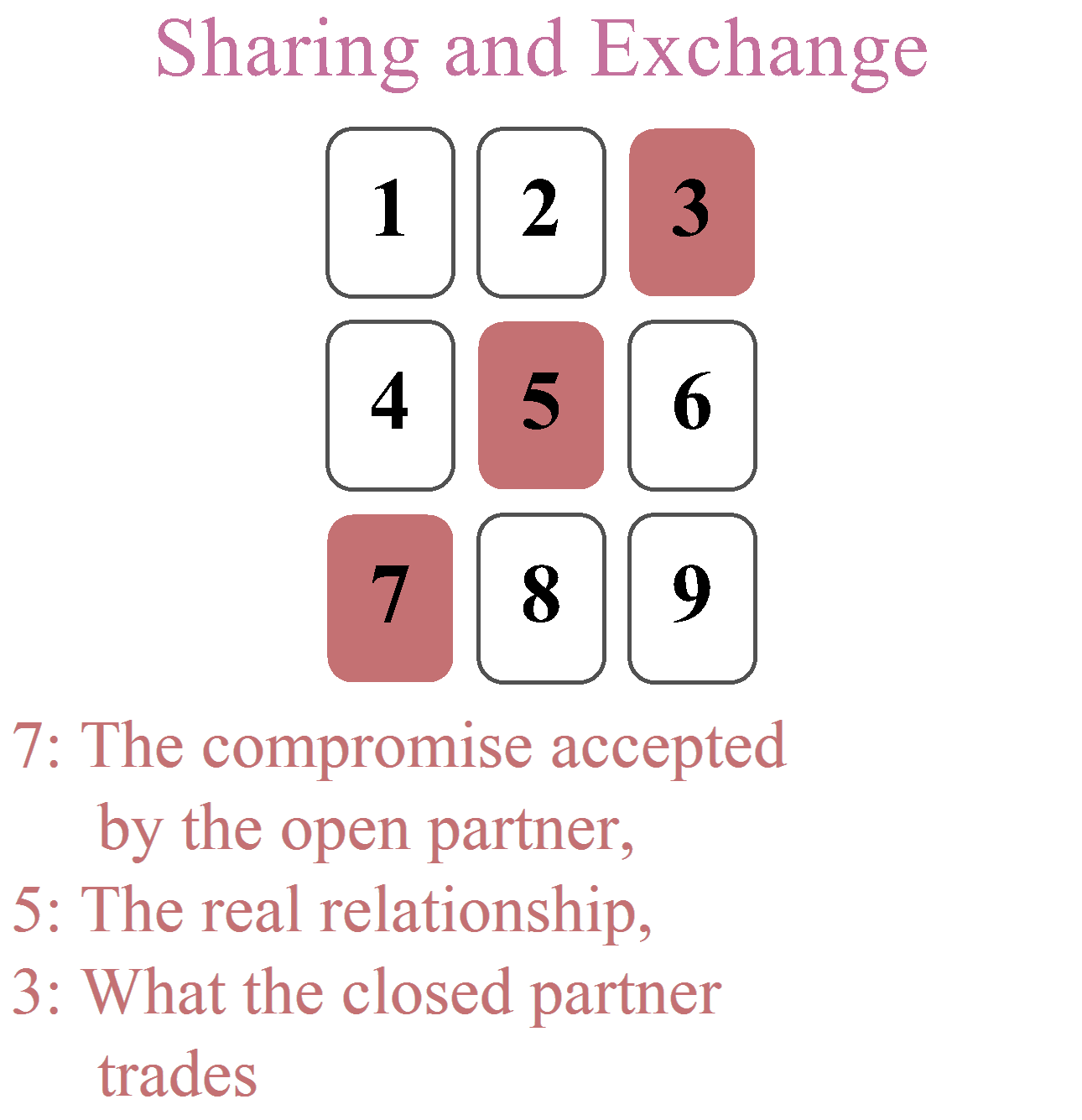
This line explores what both partners are willing to share and trade in their relationship.
This card shows how far the open partner is willing to go to maintain harmony.
Placed at the center of the spread, this card is crucial. It describes the true nature of your relationship, beyond appearances or expectations. It acts as a mirror, showing the relationship as it truly is.
Here, the card shows the concessions or compromises this partner is willing to consider.
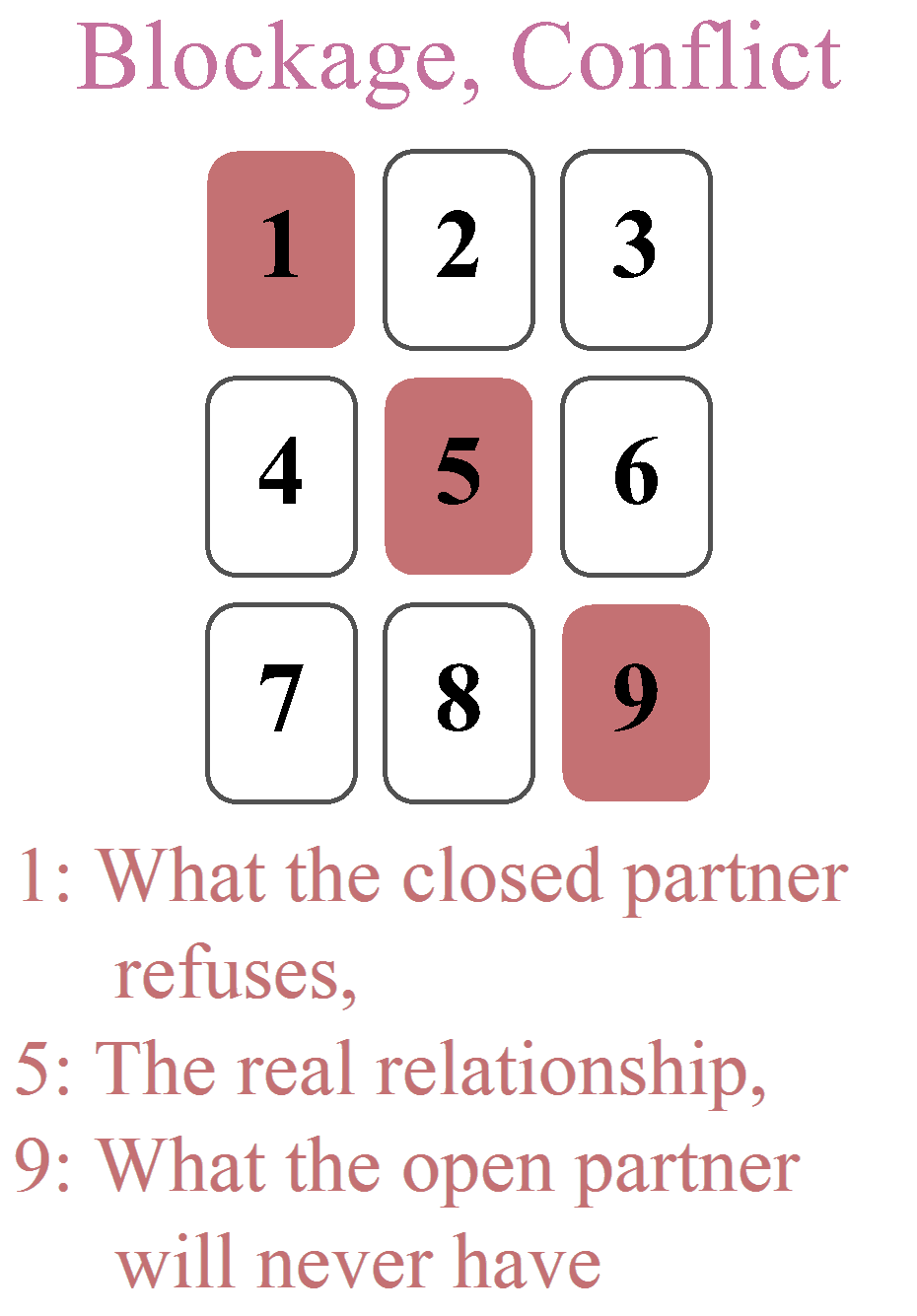
The last line highlights the major obstacles and tensions in the relationship.
This position identifies the explicit or implicit barriers or refusals of the closed partner.
Repeated here, this position highlights the central tension, which can be both a strength and a weakness.
This card shows an insurmountable limit or an unachievable desire for the open partner. This position helps accept the natural limits of the relationship.

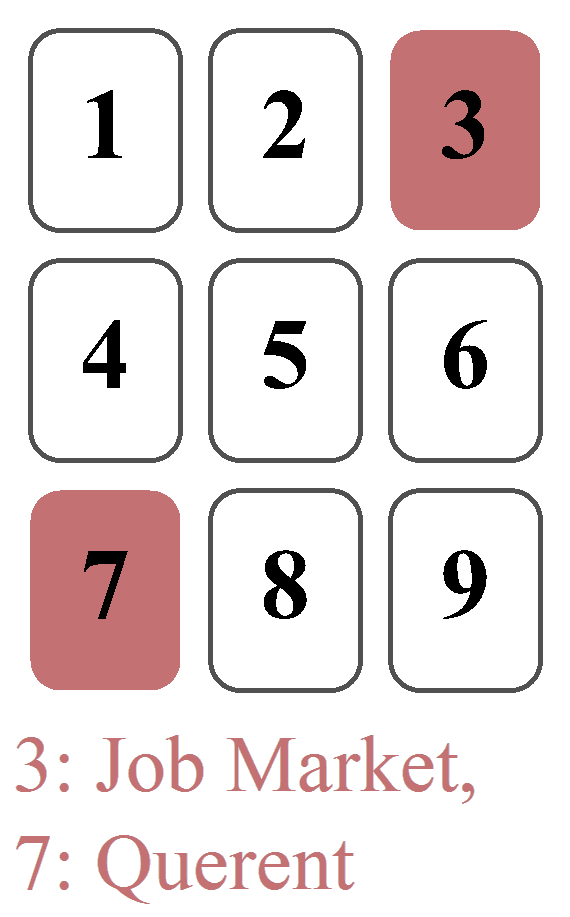
The Professional Square Spread in 9 cards stands out with its dual perspective by using two significators instead of just one. This method highlights the dynamic relationship between the querent and their professional environment.
This contrast helps better identify opportunities and challenges by revealing both personal aspirations and external expectations.
To deepen this analysis, the spread is divided into four groups of cards, each offering a specific insight.
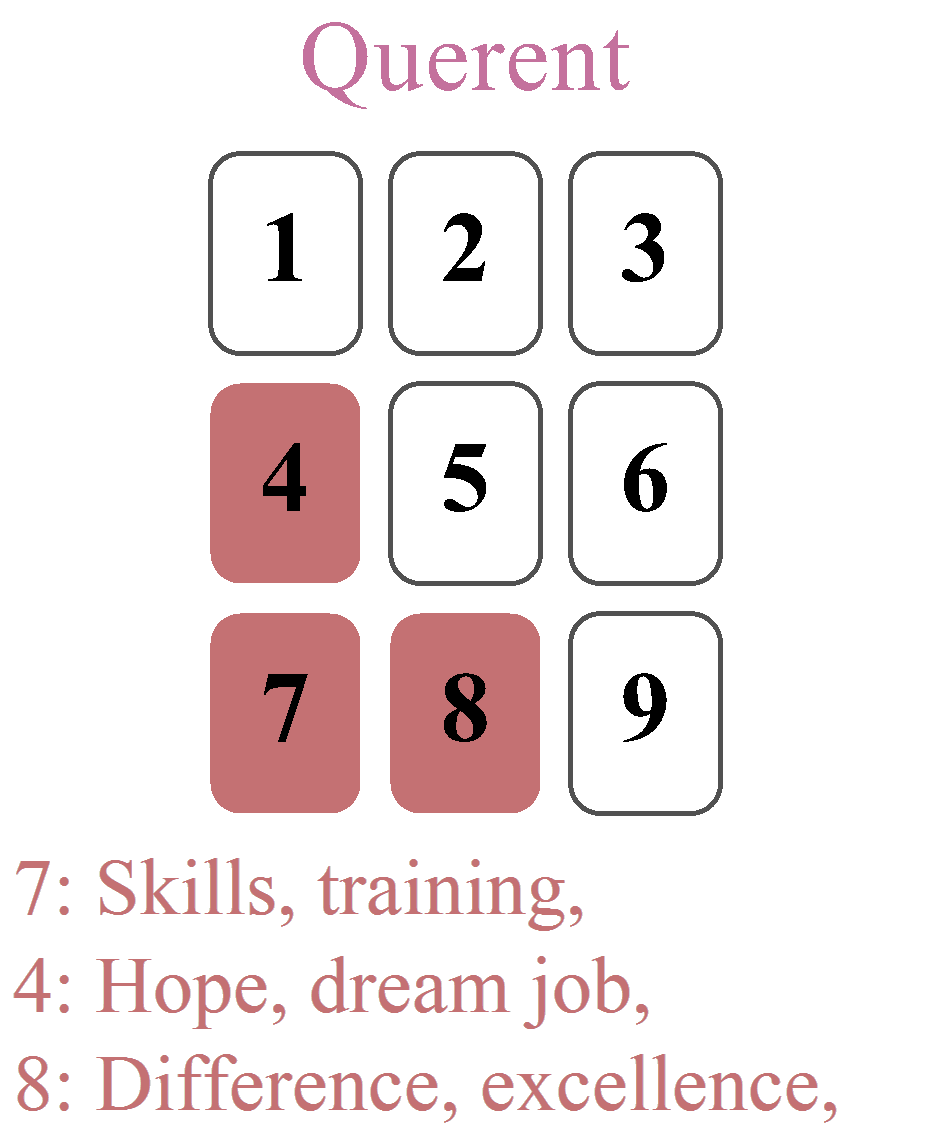
This group explores the querent's mindset and actions. It helps them clarify their intentions and current efforts, identifying adjustments needed to reach their goals.
This group sheds light on external conditions and market expectations. These cards allow the querent to adjust their strategies based on market realities.
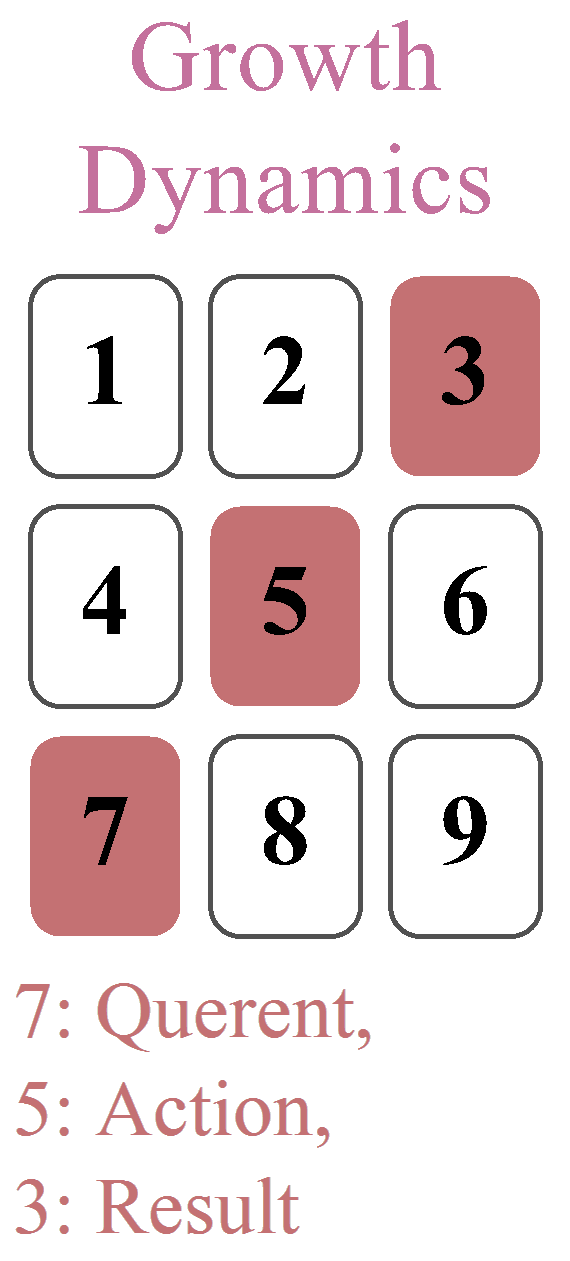
This group provides a temporal perspective to analyze the past, present, and future. It highlights possible trajectories, helping the querent prepare for upcoming opportunities.
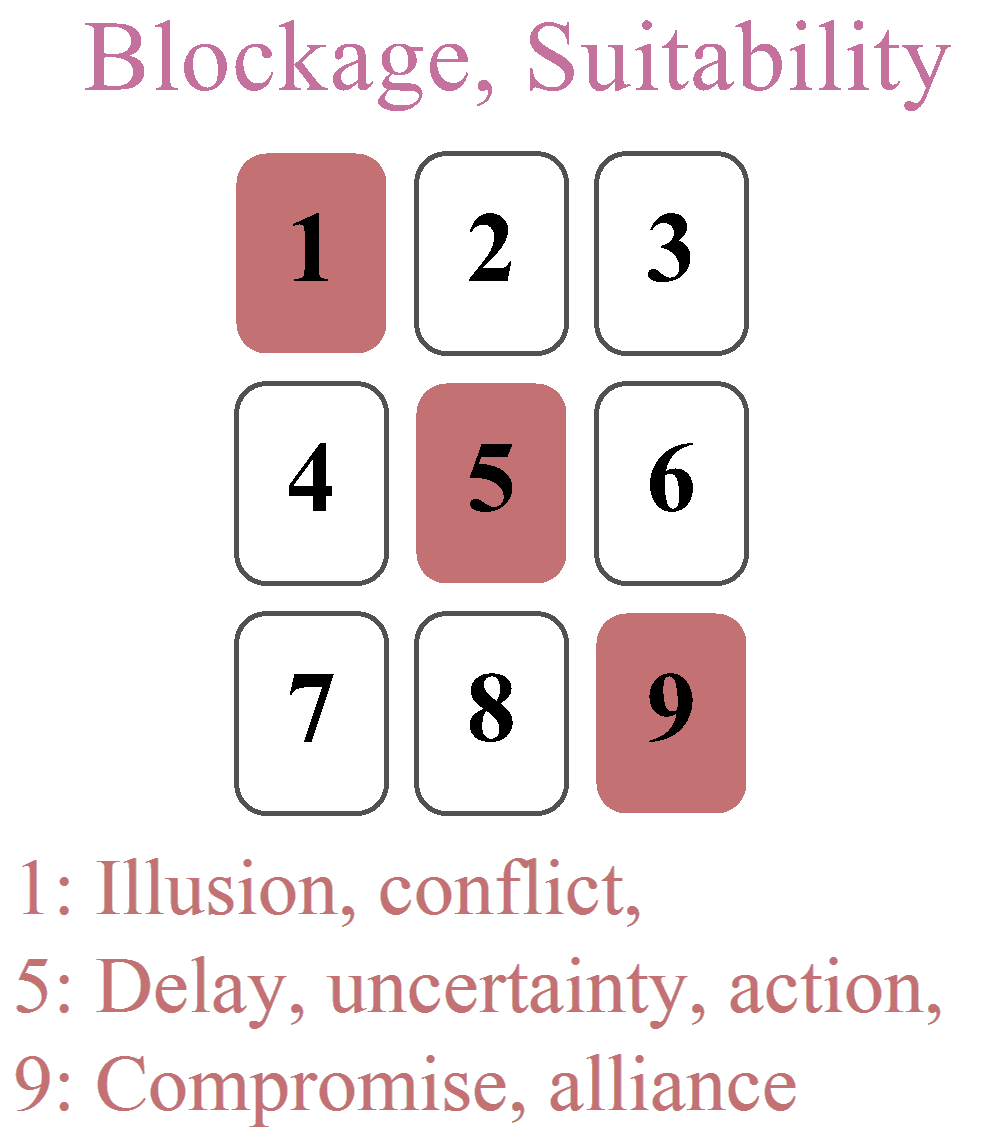
This group emphasizes strengths and weaknesses in the relationship between the querent and their professional environment. By comparing weaknesses with strengths, it provides a balanced analysis to guide the querent's strategy.
The 9-card spread is an essential step in your Petit Lenormand learning journey. By combining various interpretation techniques—rows, columns, diagonals—this spread provides a rich analysis while staying accessible to beginners. Whether you choose the classic method with a single significator or the innovative variation with two significators, you gradually develop the skills needed to master the Grand Tableau. Take the time to practice, experiment, and especially observe how the cards interact. Every spread brings you closer to expertise and opens the doors to intuitive and insightful readings. It's your turn now!
When you feel ready, I encourage you to read and interpret the Grand Tableau by checking out this article dedicated to the Grand Tableau spread. It will allow you to deepen your mastery of the Petit Lenormand.
I invite you to share your thoughts or questions in the comments below. Your contribution is valuable and could help someone else better understand the spreads above.
Copyright © www.tarotquest.co