WhatsApp

Grand Tableau of the Petit Lenormand: Complete Guide to Interpreting Your Spreads

alternative
INTRODUCTION

The Grand Tableau is without a doubt *THE* most complete and fascinating method of the Petit Lenormand. If you’re just starting out, it’s normal to feel a little intimidated by the large number of cards to interpret. But don’t worry, you don’t need to analyze each card in minute detail. The key is to take it step by step, learning to observe the big trends before diving into the nuances.

In this article, we will discover together how to break down and interpret a Grand Tableau progressively. You will learn to read the rows, columns, diagonals, and to identify the significant cards that will shed light on your situation. Each step has been designed to guide you smoothly, with simple explanations and concrete examples. By practicing regularly, you will gain confidence and fluidity in your card interpretations.

Whether you want a general overview of your situation or explore more specific areas like love, work, or finances, the Grand Tableau allows you to do so with great flexibility. It offers you a rich overview, while giving you the freedom to dive deeper into the areas that interest you most.

Ready to explore the mysteries of the Grand Tableau? Follow the step-by-step guide and you will discover that, far from being complicated, this spread becomes a valuable tool to enlighten all dimensions of your life.

Haut

Understanding this article

This article is the last in the series dedicated to learning the Petit Lenormand, and it is essential to master certain concepts before diving into the Grand Tableau spread. To interpret it well, it is recommended to know the basics, notably:

  • Card combinations: The cards of the Petit Lenormand are read in pairs or groups. The way they interact with each other is key to making sense of your spreads.
  • Using the Houses: Each position in the Grand Tableau corresponds to a House. This is a key concept to refine your interpretations.
  • Choosing the Significator: In every spread, the Significator is the card representing the person or main question. Choosing the right Significator helps focus your reading.

If you are not yet comfortable with these concepts, I invite you to review the previous articles in the series. They are there to guide you step by step and help you get the most out of this final article. Happy reading and learning!

Haut

Don't be afraid of the Grand Tableau!

Contrary to what you might think, it's recommended to familiarize yourself quickly with the Grand Tableau of Petit Lenormand in your learning journey. Although this complete spread may seem intimidating at first glance, it paradoxically offers a more accessible reading than smaller spreads.

Why? In small spreads (3 to 9 cards), you need to multiply associations between a limited number of symbols to extract maximum information. This mental exercise requires a lot of imagination and intuition. On the other hand, the Grand Tableau presents all 36 cards, offering a wealth of symbols and interactions that allows you to more naturally select relevant combinations for your question.

The 36 Cards: The Traditional Foundation

To create a classic Grand Tableau, use the 36 standard Petit Lenormand cards, no more, no less. Here are some important tips regarding your deck:

  • Significator cards: If your deck contains double cards for the Lady and the Gentleman, choose the couple that corresponds to the sexual orientation of the querent.
  • Bonus cards: Some modern decks like the "Gilded Reverie" offer additional cards. In this case, you have three options:
    1. Use only the 36 standard cards (recommended for beginners)
    2. Replace certain standard cards with bonus cards, while maintaining a total of 36 cards
    3. Add the bonus cards to the 36 standard cards, knowing that some will not appear during the reading

For a traditional and coherent practice of the Grand Tableau, I recommend keeping the 36 standard cards, corresponding to the 36 positions of the tableau.

Layout and House System

If you don't have a specific reading cloth, you can use a second deck of cards to materialize the Houses (positions numbered from 1 to 36). Two approaches are possible:

  1. Traditional method: Houses follow the classic numerical order, from 1 to 36, in reading direction (from left to right and top to bottom). This method is easy to memorize because you only need to know the number of the first card in each row and add the positions.
  2. Intuitive method: You can also arrange the cards representing the Houses randomly or intuitively, thus creating a personalized position system that can enrich your interpretation.

For beginners, I advise starting with the traditional method to fully integrate the basics before exploring more creative approaches.


Remember: regular practice is the key to developing your ease with the Grand Tableau. Don't hesitate to use it frequently, even as a beginner.

Haut

Choosing the layout for reading the Grand Tableau

Summary :

The Grand Tableau can be read using several methods. It is important to choose the one that fits you best between the traditional method (4x8+4) and the modern method (4x9).

The Grand Tableau lends itself to several reading methods, and it is important to choose the one that suits you best. Here are three common layouts you can explore, each with its own advantages and limitations.
Haut

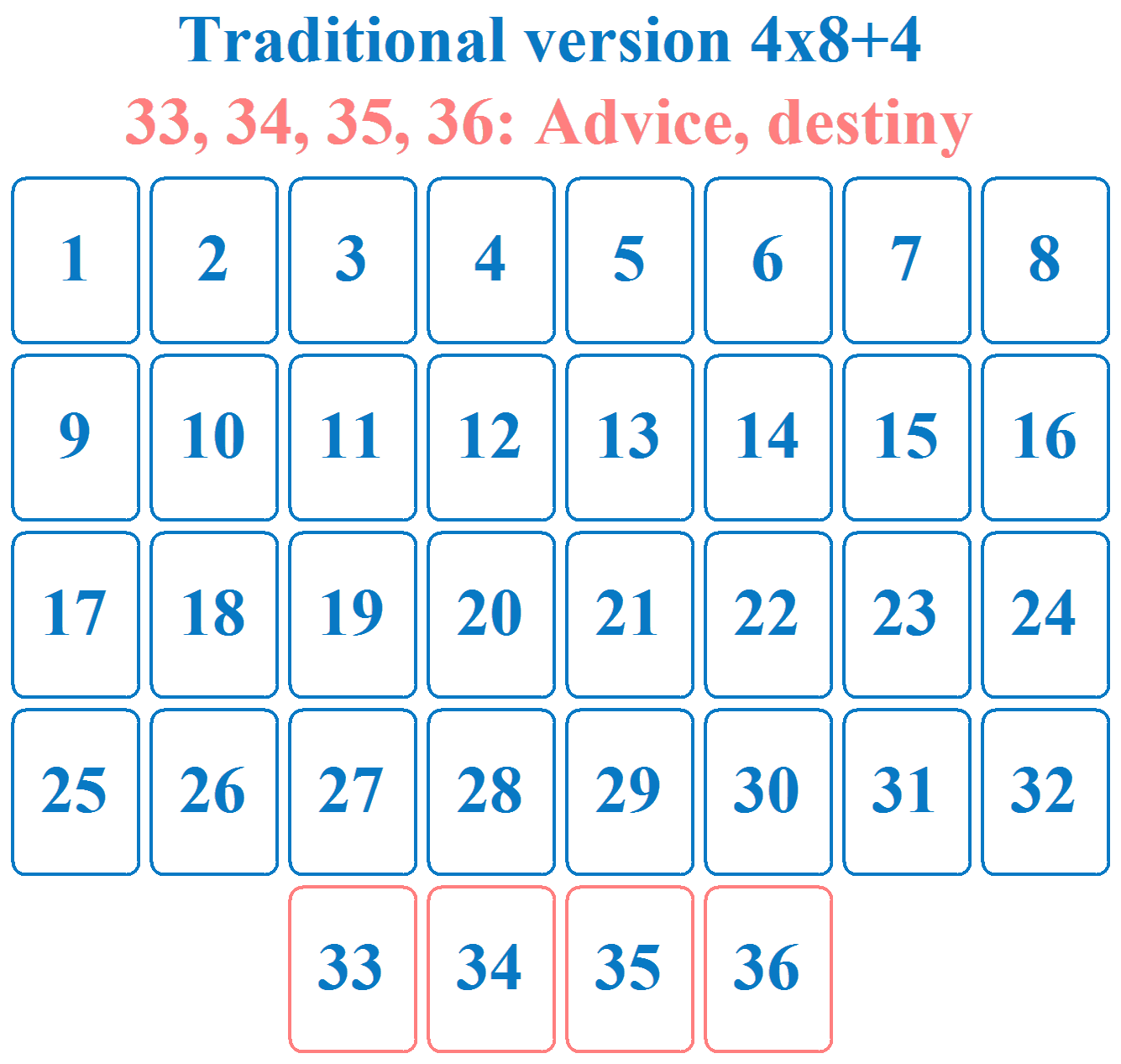
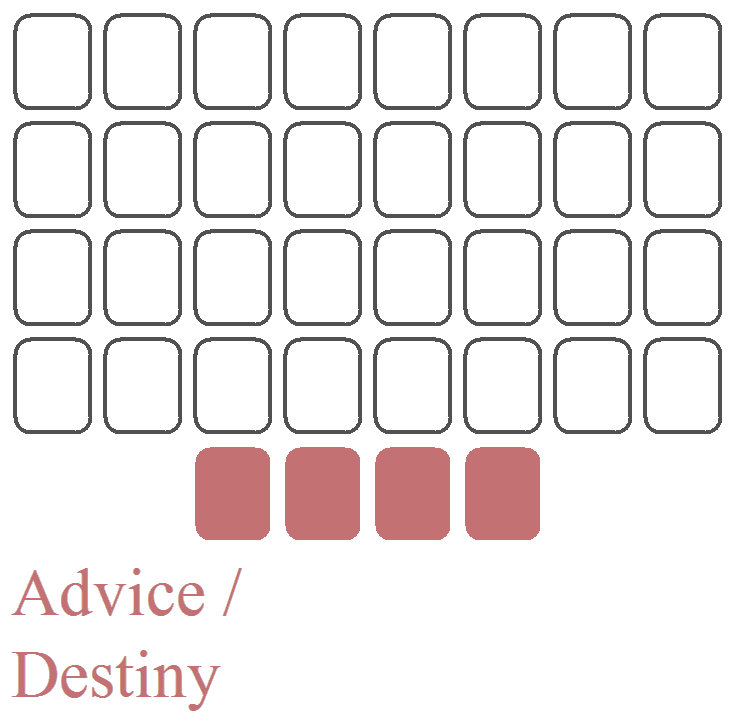
1. Traditional method: 4 rows of 8 cards + a 4-card block

1. Traditional method: 4 rows of 8 cards + a 4-card block

Advantage: The block, made up of 4 additional cards below the layout, provides advice or a synthesis of the reading. This can be very useful for summarizing the overall message.

Disadvantage: If your Significator (the card representing you) falls in the block, it becomes difficult to clearly interpret the reading. Some card readers even believe it's better not to read in this case, saying "it's not the right time to read." Personally, I think this approach is too rigid. On the contrary, it's always possible to gain insights from the cards, even if the Significator is in the block.

Haut

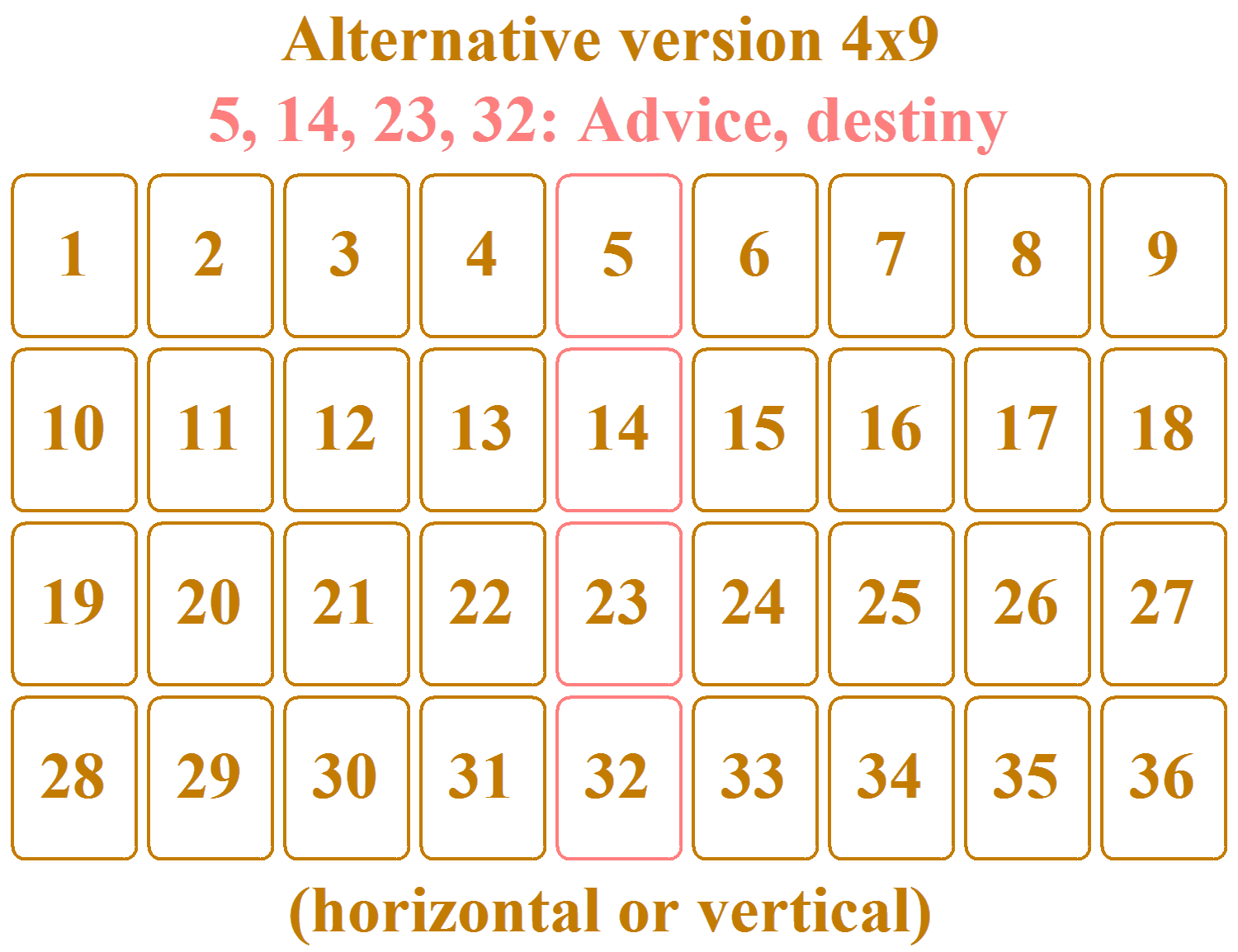
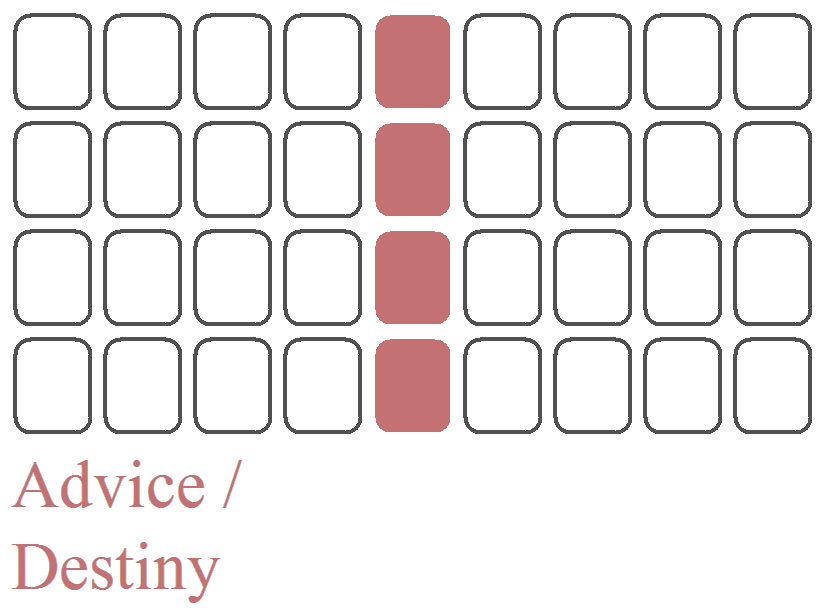
2. Modern method: 4 rows of 9 cards

2. Modern method: 4 rows of 9 cards

Advantage: This layout is popular as it avoids the outer block. The Significator is less likely to fall "outside" the layout, making the interpretation smoother and simpler.

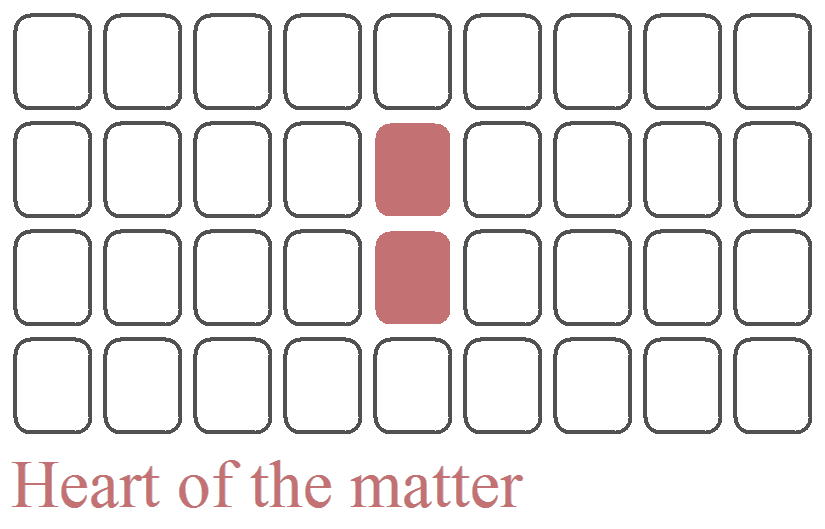
Disadvantage: There’s no block to provide a summary. However, you can resolve this by using the 4 central vertical cards (5th column) as advice or synthesis for the reading.

Haut

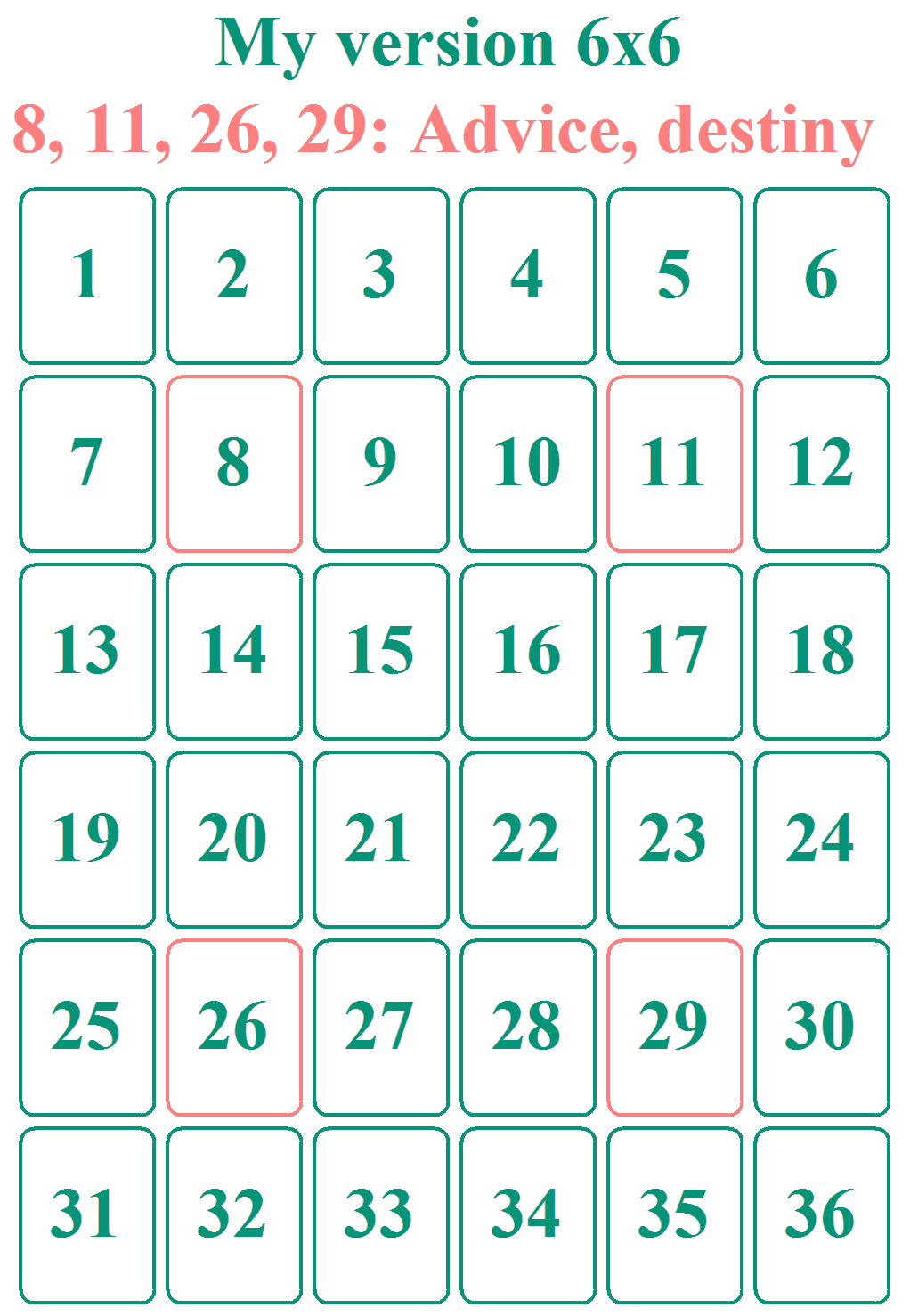
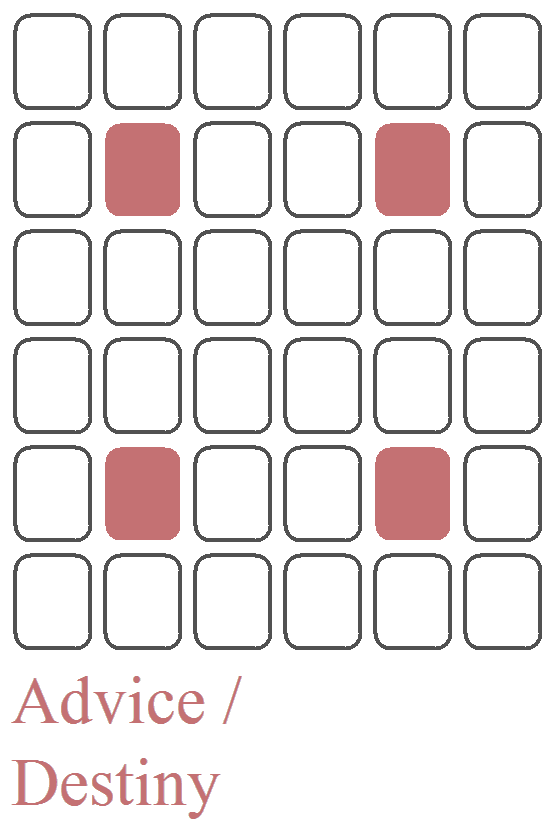
3. My personal method: 6 rows of 6 cards

3. My personal method: 6 rows of 6 cards

Advantage: Like the previous method, there’s no block, enhancing the coherence of the reading. Additionally, this method allows the Grand Tableau to be divided into 4 squares of 9 cards, offering the possibility to interpret each square according to a theme (e.g., marriage, children, work, health). This can help provide an overview of different areas of your life. The 4 central cards of each square serve as advice for each theme.

Disadvantage: There is no real disadvantage. Although this method doesn’t offer a block, it doesn't interfere with the interpretation. You can still use the central cards to summarize the reading.

Each of these layouts has its own particularities, but the best method is the one you feel most comfortable with. Try them out and see which speaks to you the most!

Haut

How to read the Grand Tableau

It's completely normal to feel a little overwhelmed by the Grand Tableau, given the number of cards to interpret. But don't worry, it’s not necessary to read everything! If the question is specific or the querent is focused on a particular area, you can limit the interpretation to just a few cards.

The Grand Tableau doesn't follow a single, rigid method. It’s flexible and offers a wide range of possibilities. You can see it as a catalog of options to choose from based on your needs and desires. The important thing is to focus on the cards that seem significant to you and interpret them in a way that resonates with you.

The two phases of interpreting the Grand Tableau

It’s often helpful to divide the interpretation into two main steps:

  • General interpretation: Quickly skim the layout to get a general vibe or major trends. This gives you a first overview.
  • Interpretation of the Significators: Next, focus on the Significators (like The Lady, The Gentleman, or other specific cards like The Fox for work or The Fish for finances). If this term isn’t clear to you, refer to the article that explains in detail how to use Significators.

For each Significator card, two complementary approaches are available:

  • Read the Significator’s lines: Examine the cards in the same row, column, and diagonals as the Significator.
  • Read the Significator’s square: Analyze the 8 cards surrounding the Significator.

Types of associations to make during interpretation

To make sense of the Grand Tableau, you can use several types of associations:

  • Card combinations (2 or 3 cards, or even more)
  • The Houses
  • The traditional "Near/Far" method
  • The values and colors of the cards

Let’s take a closer look.

Combinations

The art of combining cards is essential to make sense of your reading. Combinations are often made with two or three cards (or even more). For example:

  • With two cards, you might have a Noun and an Adjective, a Subject and a Verb, or even a Cause and Effect (e.g., The Rider + The Clouds = uncertain news).
  • With three cards, you can create richer phrases: Noun - Adjective 1 - Adjective 2 or Subject - Verb - Object (e.g., The Fox + The Scythe + The Garden = the end of a work contract in a social setting).

For more details, check out the article on card combinations.

The Houses

In the Grand Tableau, each card is placed in a House. The resident card is the one in the reading, while the host card corresponds to the House. The interaction between these two cards can reveal crucial information. For instance, if The Fox (work) is placed in the House of The Fish (finances), it could indicate a salary increase.

To learn more, check out the article on using Houses.

The traditional "Near/Far" method

The "Near/Far" method is a traditional technique that involves interpreting cards based on their proximity or distance from the Significator. Cards that are close generally have a strong and positive influence, while those further away may indicate obstacles or delays.

To learn more, check out the article on this method.

The values and colors

The values and colors of the cards add extra nuance to your reading. For example, a Red card may symbolize positive energy or an affirmative response, while a Black card could indicate difficulties or challenges. You could also gather all the colors of the 8 cards surrounding the Significator (in the style of the YES/NO spread I describe in the link below) to determine if the overall energy around the Significator is positive or negative.

To delve deeper into this aspect, read the article on colors and values.
Haut

Doing the general interpretation of the Grand Tableau

Summary :

The general interpretation of the Grand Tableau gives you an overview before looking at the details. The position of the querent's significator (the Lady or the Gentleman) is very important.

The general interpretation of the Grand Tableau allows you to get an overview before diving into the details. Here's how to structure your reading to identify the key trends of the spread.

Haut

The position of the querent's significator (the Lady or the Gentleman)

The position of the Significator (the Lady or the Gentleman) is, in itself, valuable information that defines the querent's stance towards their own life:

  • On the first column on the left: It is as if the querent has no past. Perhaps there are secrets, silences, or buried events that the querent does not want to look at or take responsibility for. It is also possible that the question of the querent's past is irrelevant. The querent is projecting toward the future, action, and a dynamic of movement.
  • On the last column on the right: It is as if the querent has no future. Perhaps the querent is looking back at the past. This is a position of introspection and reflection. The solutions for building the future are to be found in past experiences.
  • On the first row, at the top: The querent may be very direct. They may lead their life at a fast pace, deciding everything and wanting to control everything. But perhaps they want to seize and dominate what cannot be controlled?
  • On the last row, at the bottom: External events may dominate the querent's situation; they may feel like they are enduring their life or having difficulty being the leader of their own life.
  • In the center: The querent seems to be at the center of their life (their world). They hold real control over the events occurring in their life. They have visibility in all directions. But are they stuck in their stance and action?
Haut

The Fate Cards or The Final Four ('Le Cartouche' in french)

Summary :

The 4 cards in the block (below the main board) are often read as a summary of the spread.

The Fate Cards or The Final Four ('Le Cartouche' in french)

When using the method with a cartouche (the 4 cards below the Grand Tableau), these cards are often interpreted as a summary of the spread. They provide general advice or reveal the querent's long-term destiny. Take a moment to observe how these cards interact, as they will give you an overall picture of the message the spread is trying to convey.

Haut

The first 3 cards at the top left

Summary :

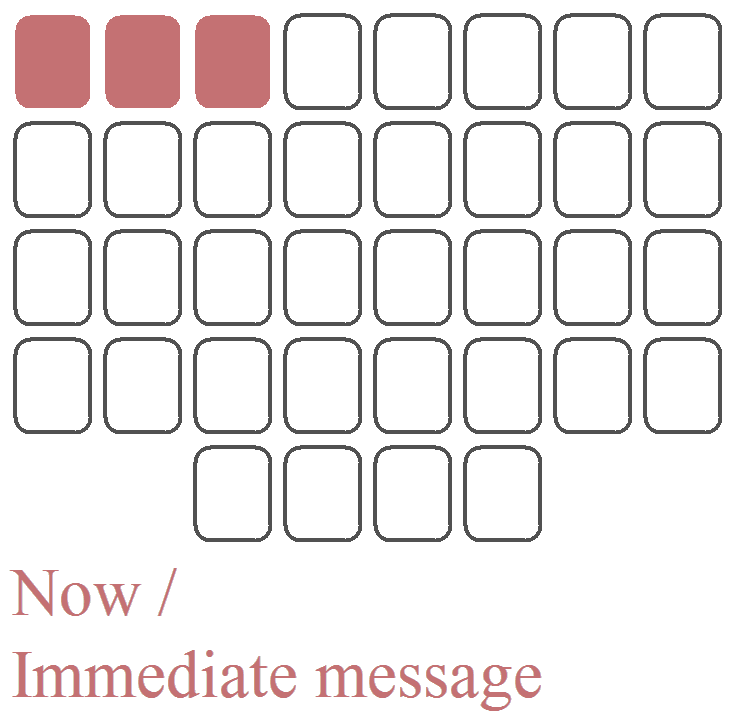
The first 3 cards of the Grand Tableau (at the top left) work as an *entrance*. They introduce the initial context and the forces present before diving deeper into the reading.

The first 3 cards at the top left

The first 3 cards of the Grand Tableau (located at the top left) reflect the querent's current situation or an immediate message. These cards give clues about what the querent is experiencing right now or what they need to know immediately. They help set the initial context and understand the energies present.

Haut

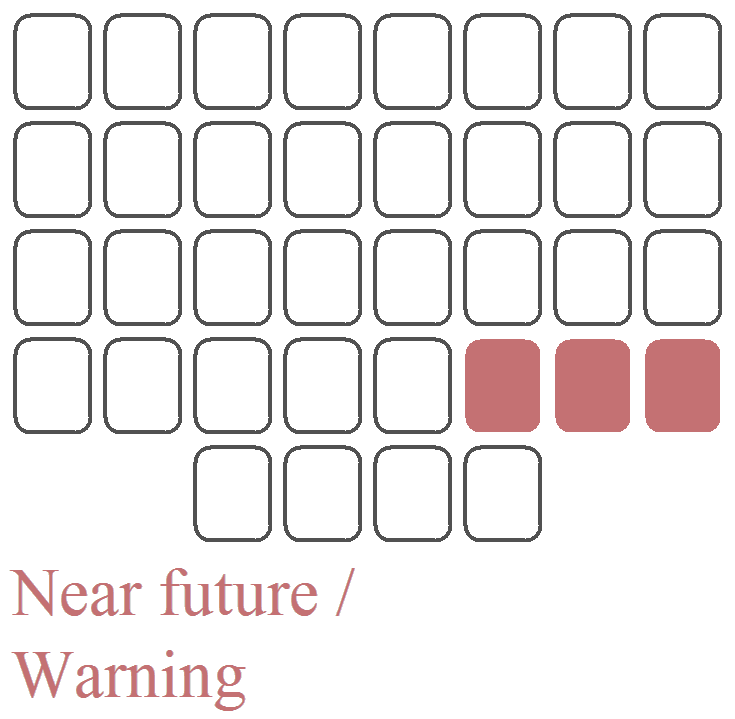
The last 3 cards at the bottom right

Summary :

The last 3 cards work as an *exit*. They serve as a conclusion for the outcome of the reading, and show the near future or the next action to take.

The last 3 cards at the bottom right

On the opposite side of the board, in the bottom right corner, the last 3 cards are often interpreted as a glimpse into the near future, the final outcome of the spread, or as a warning about what might happen if certain elements are not considered. These cards therefore provide insight into where the querent is headed in the near future.

Haut

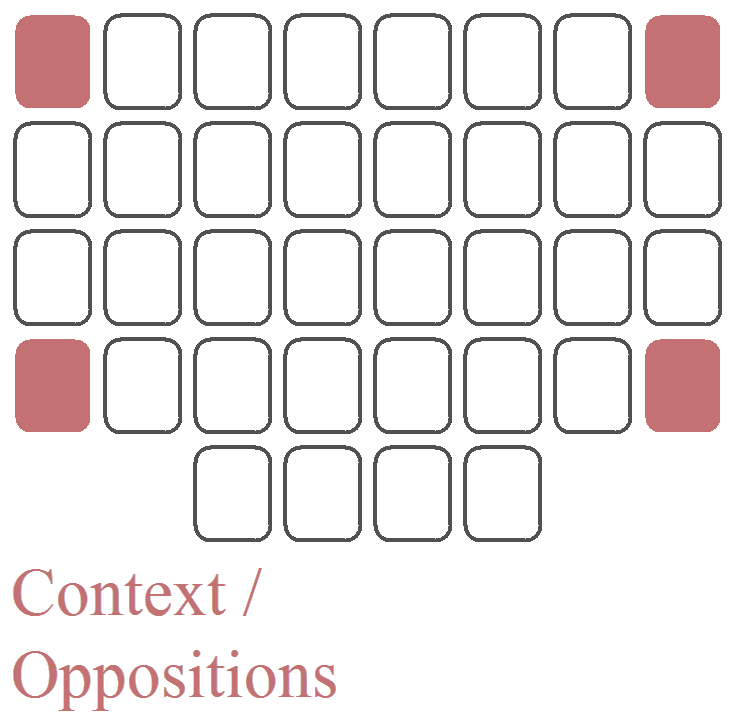
The 4 cards of the 4 corners

Summary :

The 4 cards placed at the corners of the Grand Tableau often represent the overall context of the spread.

The 4 cards of the 4 corners

The 4 cards placed at the corners of the Grand Tableau often represent the overall context of the spread. They indicate the oppositions, challenges, or major influences surrounding the querent's situation. Pay close attention to how these cards interact with each other and with the rest of the spread to gain insight into the elements that may affect the querent as a whole.

Haut

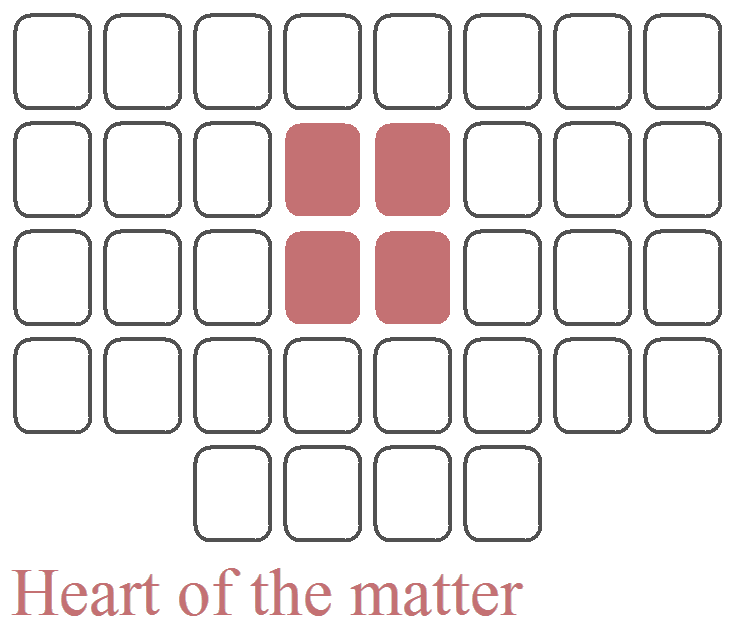
The cards at the center of the board

Summary :

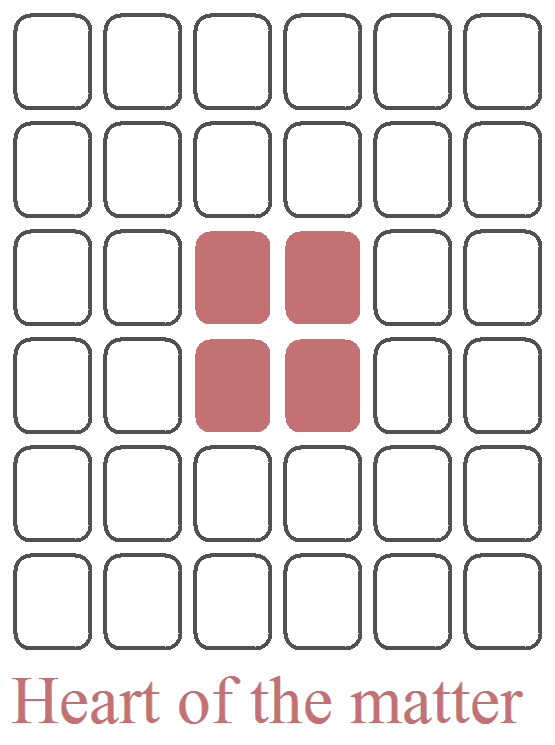
The cards at the center of the Grand Tableau symbolize the heart of the matter, what is at the center of the querent's concerns or issues.
The cards at the center of the board

The cards at the center of the Grand Tableau symbolize the core issue, what is at the heart of the querent's concerns or challenges. These cards are crucial because they often reveal the main subject of the reading, the central theme around which the entire spread revolves.

Haut

Adapting to questions: Choosing the significator(s)

Adapting to questions: Choosing the significator(s)

The interpretation of the Grand Tableau can vary depending on the type of question being asked. Here are some tips for adapting your readings based on the life areas being explored.

Questions about Love

When the question is about love, it is naturally advisable to focus your attention on the two key cards 28 - The Gentleman and 29 - The Lady. Then carefully examine 25 - The Ring for marriage, 24 - The Heart for romantic feelings, or 4 - The House for moving in together, or even 17 - The Stork for the birth of a child. Be sure to carefully observe the cards surrounding these Significators to get a sense of the current influences or upcoming challenges in the relationship.

Career Questions

For questions related to career or finances, focus on 14 - The Fox for work, 34 - The Fish for salary and raises, 26 - The Book for education or internships, and 19 - The Tower for the employer or the government. Look at the rows and columns around these cards to get a better understanding of the professional or financial situation's development.

Health Questions

If using the Grand Tableau for health-related questions, pay attention to the cards symbolizing the body or energies, such as 5 - The Tree for overall health, 17 - The Stork for fertility issues, 6 - The Clouds for depression, 10 - The Scythe for a fracture or surgery, and 11 - The Whip for chronic illnesses or allergies. These cards can offer clues about the querent's overall health.

Personal Development Questions

For questions related to personal growth or inner transformations, cards such as 26 - The Book for knowledge, 36 - The Cross for beliefs, 1 - The Rider for a mentor or therapist, and even 5 - The Tree could play this role. 31 - The Sun may represent fulfillment. If you want to lean into Carl Jung's theories, 22 - The Paths can symbolize the path of individuation, 32 - The Moon the Shadow, 28 - The Gentleman the Animus, or 29 - The Lady the Anima. It is important to observe the influences that affect these cards to better understand the querent's journey.

Using the Grand Tableau for Multiple Questions

The Grand Tableau is particularly useful when answering multiple questions in a single spread. You can focus on different Significators for each specific question. This allows for a more complete reading and connects the answers to provide a richer interpretation.

Haut

Interpreting the lines of the significator(s)

Summary :

It is important to understand how the surrounding cards influence the interpretation around the significator(s).

The Significator represents the person for whom you are doing the reading, or a specific subject (work, finances, marriage, etc.). Once you have identified the Significator(s), it is important to understand how the surrounding cards influence its interpretation. Here's how to proceed:

Haut

The horizontal line + significator column

The horizontal line + significator column

The Horizontal Line

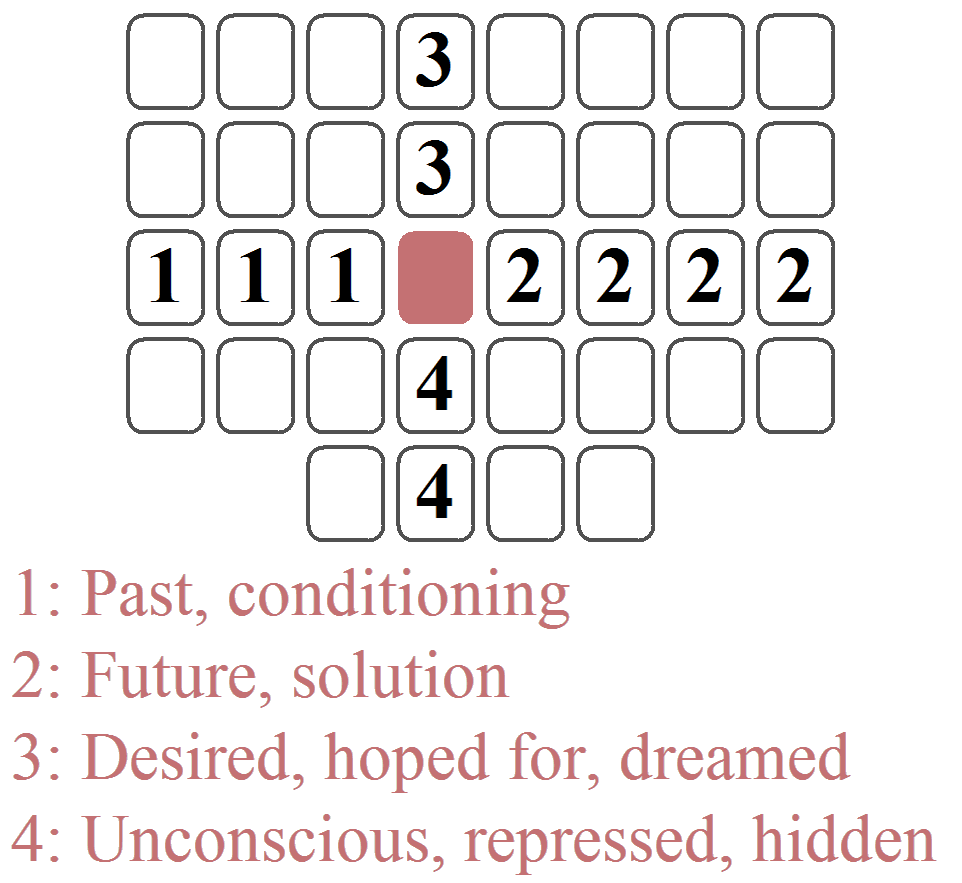
  • To the left of the Significator: The cards to the left represent the past, past influences or conditioning that shaped the current situation.
  • To the right of the Significator: The cards on the right point to the future, revealing possible solutions or the outcome of the reading. This is the direction the energies are moving towards.

This horizontal line allows you to have a linear view of time: the past on the left and the future on the right, offering a sequential reading of events.

The Column

  • Above the Significator: The cards placed above indicate what is hoped for, dreamed of, or desired by the querent. They show conscious expectations.
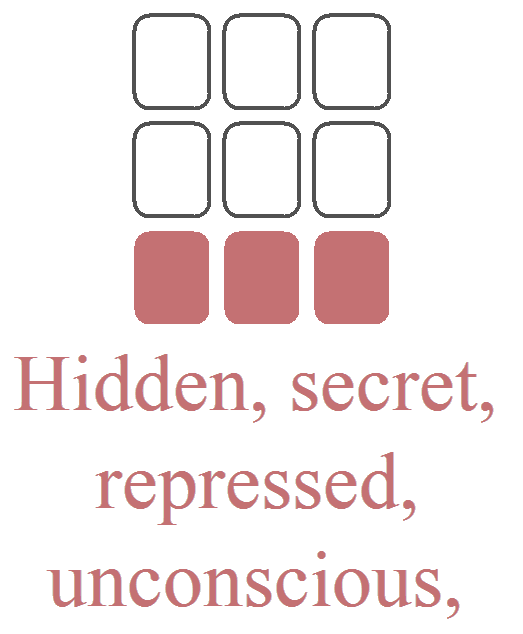
  • Below the Significator: The cards below symbolize what is hidden, unconscious, or sometimes repressed. They highlight aspects that the querent may not see, but which influence the situation.

The column helps you understand the alignment between conscious aspirations and unconscious forces shaping the situation.

Haut

The significator diagonals

The significator diagonals
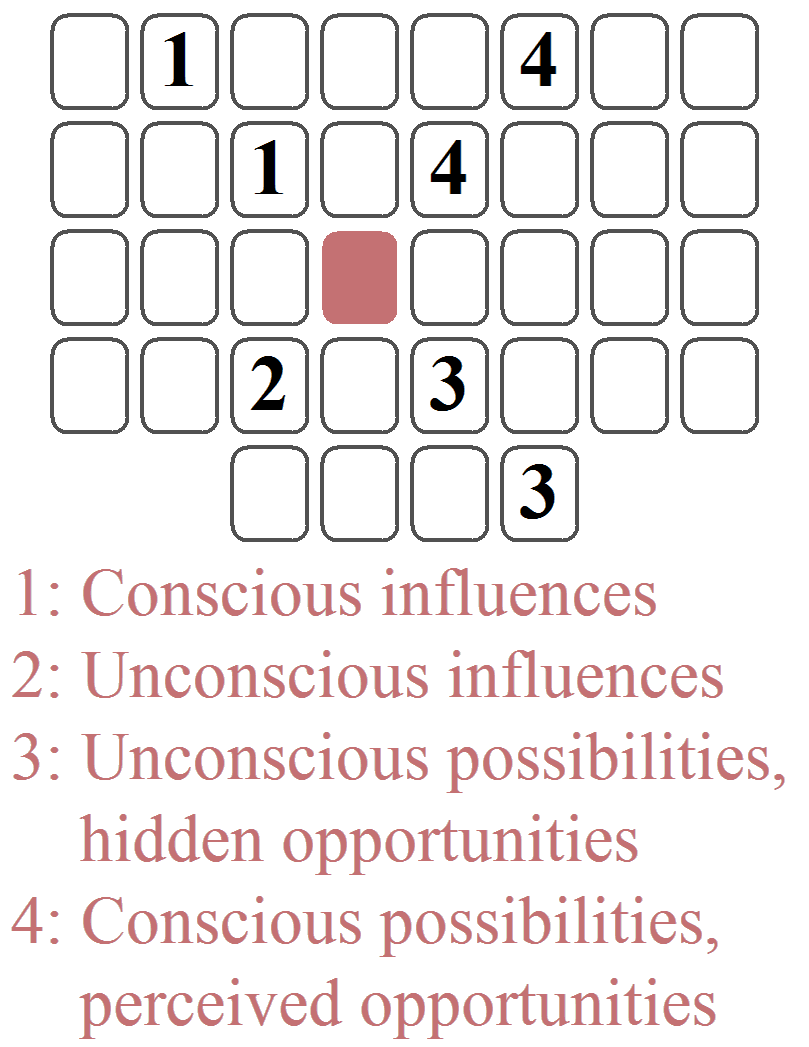
  • Top left: These cards show conscious influences, those that the querent can clearly identify.
  • Bottom left: They reveal unconscious influences, underlying forces that affect the situation without the querent necessarily being aware.
  • Bottom right: These cards illustrate unconscious possibilities, hidden or not-so-obvious opportunities that may manifest over time.
  • Top right: These cards suggest conscious possibilities, opportunities that the querent perceives and can seize.

The diagonals offer a cross-view of the situation by highlighting both conscious and unconscious influences and possibilities.

Haut

The meeting cards (with another significator)

Summary :

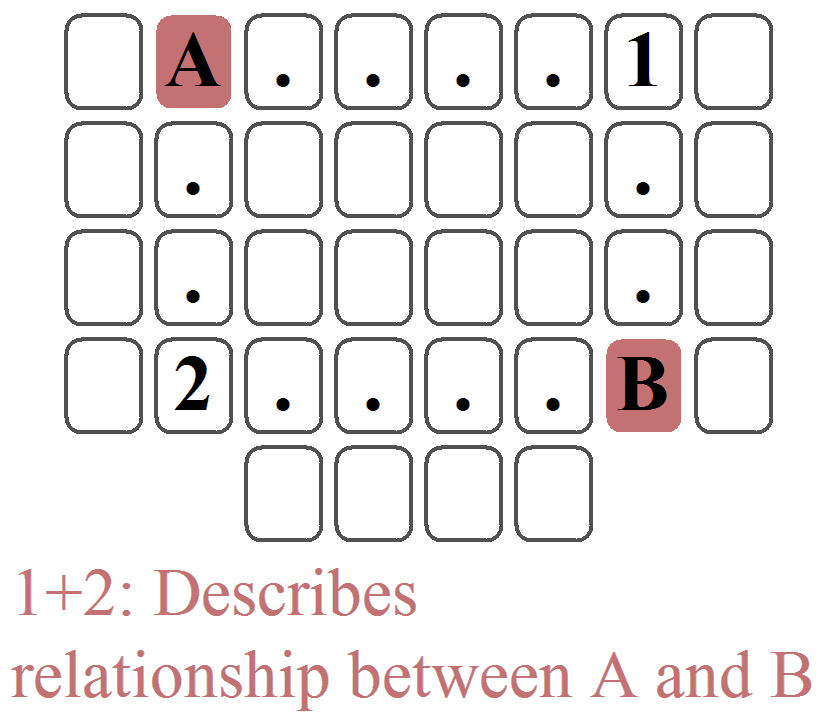
The meeting cards are located where the horizontal line and the column of two significators cross. They show the relationship between these two people or subjects.

The meeting cards (with another significator)

If multiple Significators are present (for example, for two people in a relationship), the meeting cards are the cards located at the intersection of the horizontal line and the column of the two Significators. These cards characterize the relationship between these two subjects or people, offering insights into the dynamics or connections that unite them.

Haut

The vertical hierarchy of cards

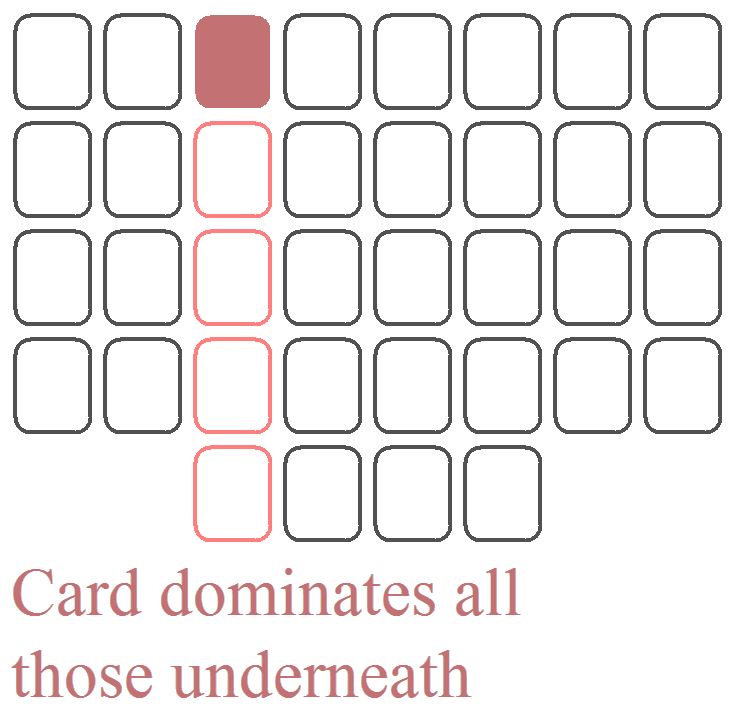
The vertical hierarchy of cards

Cards above another card have a stronger influence. They dominate or impact the cards below them. This can be useful for identifying which energies or influences are the strongest in the reading.

Haut

The law of causality in horizontal lines

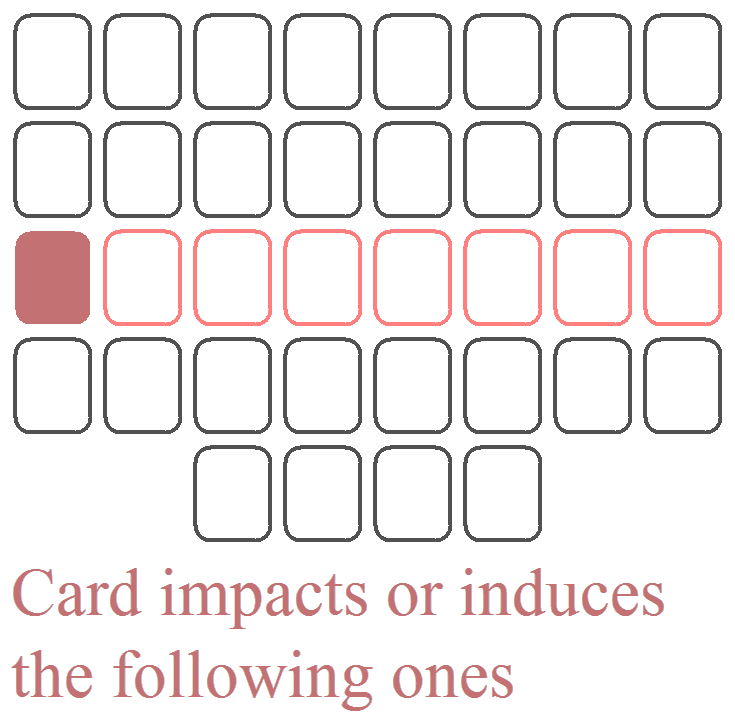
The law of causality in horizontal lines

Cards to the left in a horizontal line influence those that follow to the right. This indicates a form of causality: a card can induce an effect or change in the following cards. This logic helps understand how a situation evolves through time and actions.

Haut

Interpreting the square of the significator(s)

Summary :

The 9-card square around the significator allows you to analyze past, present, and future influences affecting the situation.

The square of 9 cards around the Significator is a powerful tool to refine your interpretation. It allows you to analyze the past, present, and future influences affecting the situation. Here's how to read this square, with the Significator as the center.

Haut

The 3 columns

The 3 columns
The 3 columns
The 3 columns
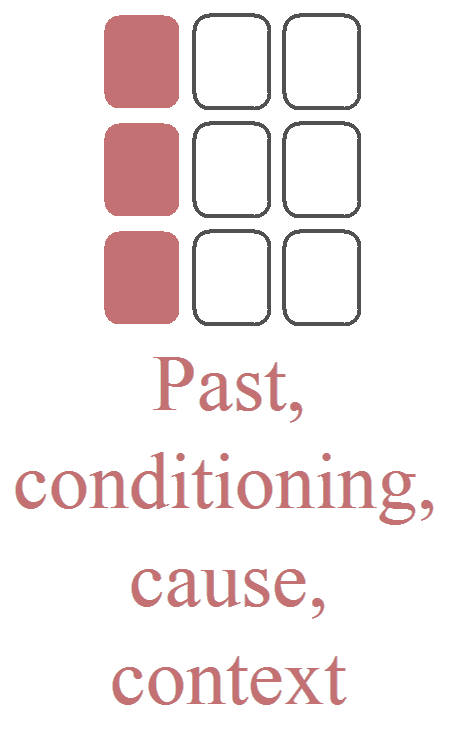
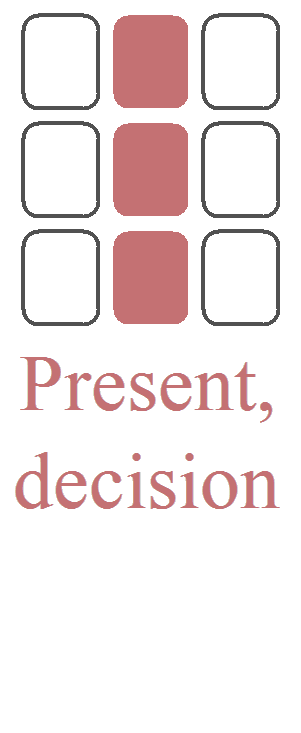
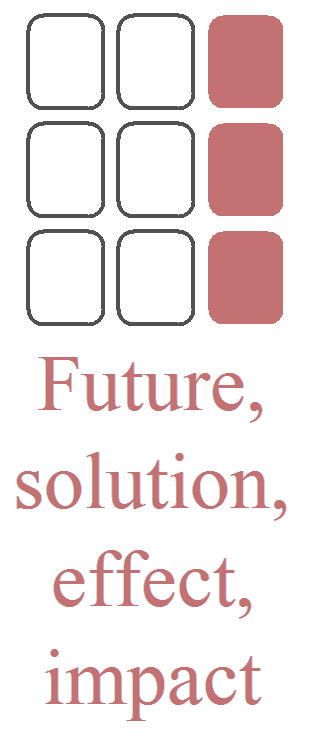
  • Left column: This column represents the past, past influences, or conditioning that shaped the current situation. This is where we find the roots of ongoing events.
  • Central column: It symbolizes the present and the current situation. The cards here provide insights into the energies and events happening right now.
  • Right column: It points to the future, possible solutions, or the outcome of events. These cards show the direction the situation is taking.
Haut

The 3 rows

The 3 rows
The 3 rows
The 3 rows
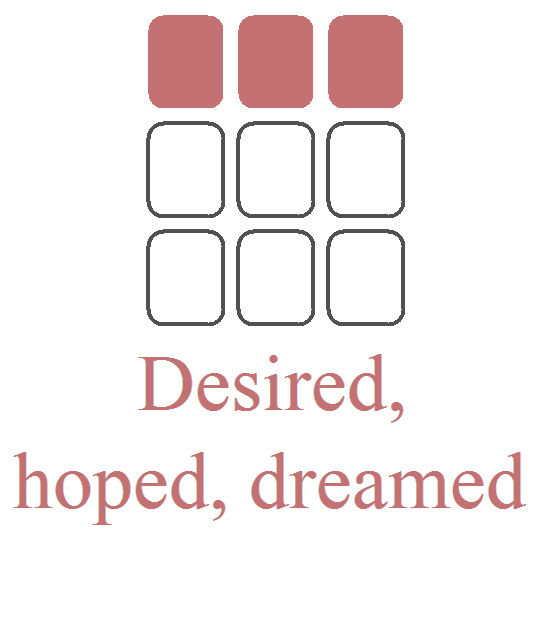
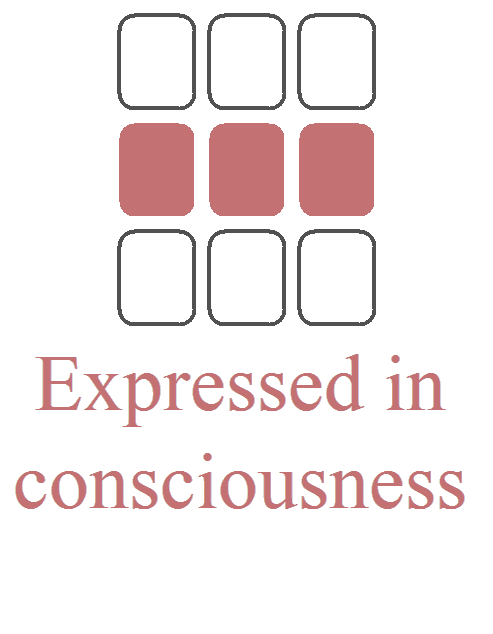
  • Top line: The cards here indicate what is hoped for, what the querent desires or dreams of obtaining. They represent conscious aspirations.
  • Middle line: This line shows what is conscious and expressed, the aspects of the situation the querent recognizes or actively acts upon.
  • Bottom line: Here lies what is hidden, unconscious, or repressed. These are underlying forces influencing the situation, but the querent may not be aware of them.
Haut

The 4 cards at the center of the sides (2, 8, 4, 6)

The 4 cards at the center of the sides (2, 8, 4, 6)

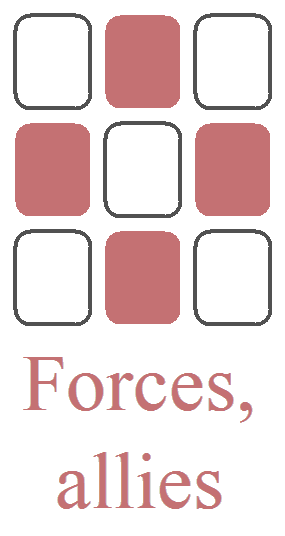
These cards, placed around the Significator, symbolize the forces and allies that can help the querent overcome obstacles. They represent the support or resources available in the situation.

Haut

The 4 cards in the corners (1, 3, 7, 9)

The 4 cards in the corners (1, 3, 7, 9)

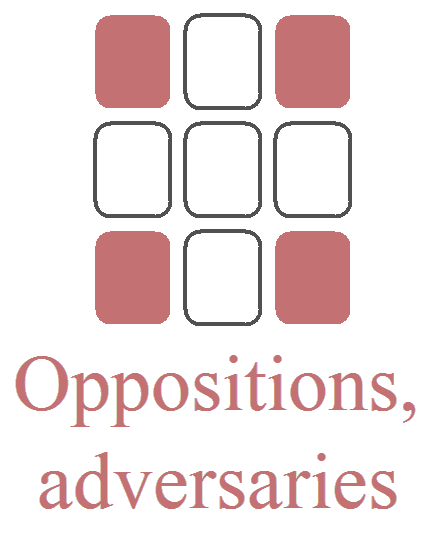
The cards in the four corners of the square are indicators of opposition, adversaries, or challenges the querent will have to face. They show the obstacles to overcome to achieve a goal.

Haut

Triangles to refine the interpretation

Triangles to refine the interpretation

The triangles formed by certain cards can offer additional angles for interpretation:

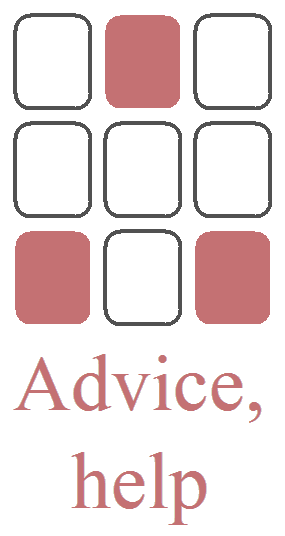
  • Upward triangle (7, 2, 9): This triangle reveals the help or advice to follow to progress in the situation.
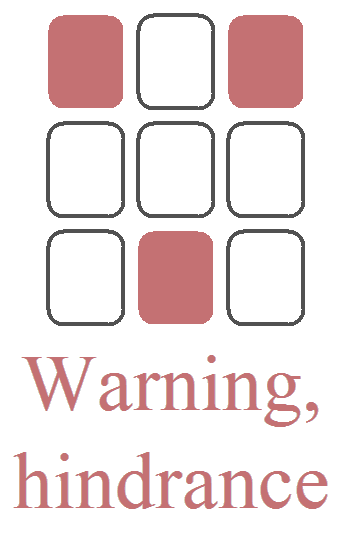
  • Downward triangle (1, 8, 3): This triangle indicates warnings or blocks that may slow or hinder progress.
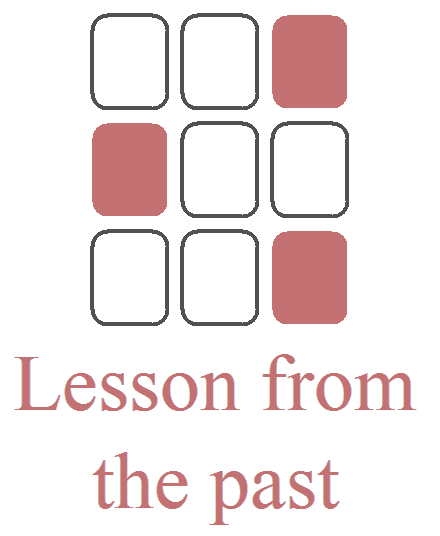
  • Left triangle (3, 4, 9): It allows for learning from the past, to understand what led to the current situation.
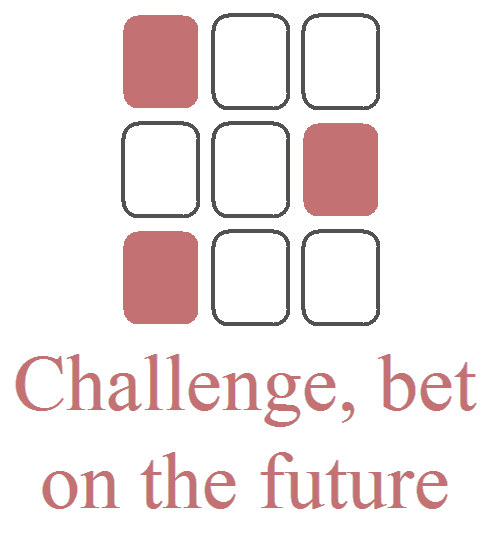
  • Right triangle (1, 6, 7): It highlights the challenge or gamble for the future, the energies to master to move forward.
Haut

Diagonals to refine the interpretation

Diagonals to refine the interpretation

Diagonals complement the reading by providing a more nuanced view of influences and developments:

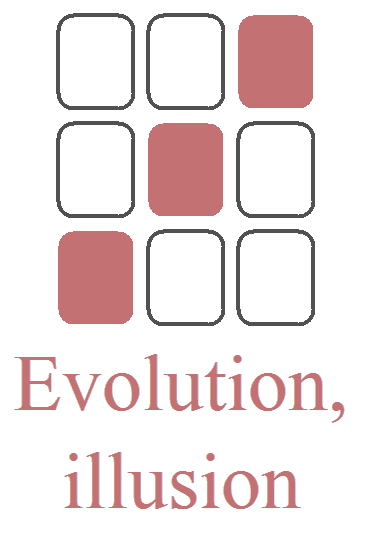
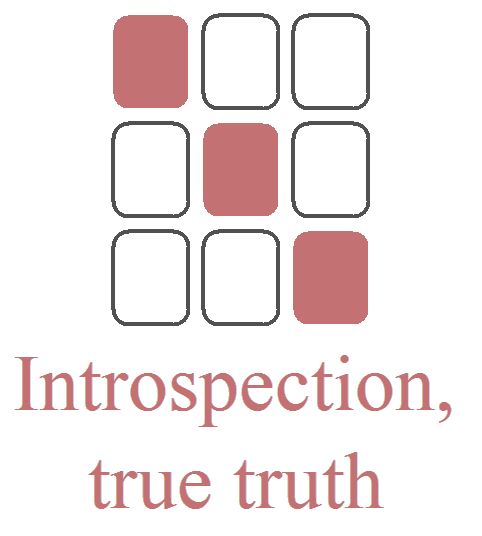
  • Upward diagonal (7, 5, 3): It shows the evolution of the situation or the illusions that may cloud the querent’s perception.
  • Downward diagonal (1, 5, 9): It represents the deep truth or introspection, what the querent must understand or accept to move forward.
Haut

Mistakes to avoid

Even though learning the Grand Tableau may seem complex at first, it is important to avoid common mistakes that could bias your interpretations. Here are some pitfalls to avoid to refine your practice and gain confidence:

  • Trying to interpret everything

    One of the most common mistakes, especially for beginners, is wanting to analyze every card in the spread. Remember that you don’t have to read everything. If you asked a specific question, focus only on the cards related to that domain. Trying to do too much can create confusion and weigh down the interpretation.

  • Neglecting the overall context

    It is tempting to immediately focus on the Significator cards or the 4 Destiny cards. However, neglecting the general interpretation of the spread can cause you to miss the overall mood or trends of the reading. Always take a moment to feel the general atmosphere before zooming in on the details.

  • Forgetting the flexibility of methods

    The Grand Tableau offers several methods of interpretation (lines, squares, Houses, "Near/far" or even the values and colors of the cards). There is no universal path to follow. Don’t feel compelled to apply all the methods to every reading (in fact, that might confuse you). Choose the ones that resonate best with your question and intuition.

  • Redoing the spread if the Significator falls in the cartouche

    If you have done the traditional Grand Tableau in 4x8+4, it is possible that one of your Significators falls into the 4-card cartouche below the tableau. If the position of this Significator bothers you, don’t redo the spread. Accept the situation, and exercise adapting your method to the particular location of the Significator. Turn a problem into an original way to interpret the Significator. And for future spreads, do as I do: Abandon the traditional formula! 😅 Embrace modern cartomancy 😉

By avoiding these mistakes, you will maximize the quality of your readings and progress more serenely in your learning. The Grand Tableau is a powerful tool that requires patience and perseverance, but it also offers amazing revelations when approached with method and an open mind.

alternative
A free PDF to print, cut out, and fold!

All the diagrams from the Grand Tableau, to slip into your favorite deck 😉 Your leaflet always with you, close at hand, for a successful draw 👍

Haut

Advice to follow

Although the various methods of interpreting the Grand Tableau are essential for structuring your readings, it is just as important to leave room for your intuition. Here are some tips to cultivate this balance:

  • Let your first impressions guide you

    When you reveal the spread, take a moment to observe the cards without immediate analysis. What are your first impressions? Are there cards that particularly catch your attention? Often, these first intuitions are revealing and deserve to be explored before diving into a more rational reading.

  • Trust and let go

    Especially for beginners, it can be difficult to trust your instincts. Yet, cartomancy is an art that relies as much on technical interpretation as it does on letting go. Don’t be afraid of the large number of cards. If anyone should be impressed, it’s your querent, not you! 😉 Try not to be too rigid in your interpretation methods, and leave room for the unexpected and the imaginative.

  • Let your imagination run free

    More than any other system, Lenormand requires imagination. For extremely specific questions, you can answer very concretely by relying on the generic and universal symbolism of the Lenormand cards. How? Contrary to what you are often told "Interpret with your intuition" (which means everything and nothing), I would say "Look at the cards with your imagination to make them concrete".

  • Adjust methods to your style

    With practice, you will develop your own way of interpreting the Grand Tableau. Some methods, such as reading lines or squares, may seem more natural to you than others like the "Near/Far" method. Trust your unique style, even if it differs from traditional methods.

Haut

F.A.Q. about the Grand Tableau

How often can we do this spread?

The Grand Tableau is definitely not a daily spread. Because it is so dense, one session every 3 to 6 months is an excellent pace for most querents. This is a spread that works deeply, and its messages need time to be fully understood and seen in reality.

However, this timeframe is not fixed: during a crisis, a major transition, or big life changes, it can be useful to consult it sooner to check the new energies in place.

Can we ask a specific question when doing a Grand Tableau?

It is completely possible to start with a specific intention or a theme (work, love, finances), but keep in mind that this spread often follows its own path. The Grand Tableau has the unique habit of not necessarily answering what we want to hear, but instead revealing what we need to know at that exact moment.

For example, you might ask the cards about your career and see a family problem, an unconscious fear, or an upcoming romantic meeting appear. The deck prioritizes the emergencies in your life itself, dealing with blocks or opportunities where they truly are, beyond your first question.

How long does a Grand Tableau session last?

A session usually lasts more than 1 hour. But I often say that we can use a Grand Tableau just to answer a simple question during a reading that lasts only 20-30 minutes. Some might disagree, saying it is useless to lay out so many cards for such a short reading time. However, it only takes a minute or two to lay everything out, and you then have access to all the information. Still, it is good not to watch the clock: this is the ultimate spread where you should not rush and take the time to explore.

Are all the cards always used?

In truth, NO, and this should reassure you: you don't have to visit every card and read everything. Of course, everything is put on the table to go deep and satisfy an anxious querent's hunger for answers (so you don't have to do a second reading), but it is completely possible to do a shorter version. I even tend to recommend a light use of the Grand Tableau by visiting only a dozen cards maximum. "He who can do more can do less": this approach allows you to use this spread often without saving it only for big occasions.

CONCLUSION

Interpreting the Grand Tableau is an art that may seem complex, but in reality, it just requires practice and patience. Taking your time, because you can skim over the Grand Tableau in a few minutes, but interpreting a Grand Tableau in-depth takes more hours, allows you to get a broad and detailed vision of your life or that of the querent.

Now that you have the keys to read and interpret the Grand Tableau, I encourage you to deepen your knowledge of the cards. If you want to understand in detail the meaning of each Petit Lenormand card, check out this article dedicated to the card meanings. It will help you strengthen your basics and refine your readings for even more accurate and insightful interpretations.

✨ Share your way of reading the Grand Tableau

There are as many ways to read the Grand Tableau as there are card readers! 😉 Your personal interpretation enriches our collective understanding.

I invite you to share your comments or questions below. Your contribution is valuable and can help someone else better grasp the Grand Tableau.

👉 Leave a comment now and together we will weave the Grand Tableau of the (Petit) Lenormand.

To go further, continue your reading with ...

Comments

profilGracias,muy bien explicado me resonó un montón , 08/13/2025
Me encantaría tener el gran tablero
profilDavid from TAROTQuest, 08/14/2025
Me alegra que te haya gustado este artículo. Espero que te permita hacer rápidamente tus primeras tiradas del Gran Tablero.
Subscribe to the newsletter :